• Choachí: Trueque, Maize and Forgiveness

    This article was originally published in The Bogota Post on the 28th August 2017. LINK HERE
    DSCF8151.jpg

    Una mano más una mano no son dos manos, son manos unidas. Une tu mano a nuestras manos, para que el mundo no esté en pocas manos, sino en todas las manos”

    “One hand, joined with another, are not two hands… but united hands. Join your hand with our hands, so that the world remains not in the hands of the few… but in the hands of all”

    (Gonzalo Arango) 

    For more Short Films SUBSCRIBE to my Youtube Channel 

    What if we moulded a micro-utopia with our hands… even for just one weekend? What if we built an immense bridge, which united both the city and the countryside in a deeply polarised society? What if we brought these people together and created a moment of harmony, in a country riddled by conflict, disagreement and violence? What if we showcased the values and virtues of rural Colombia, without resorting to paternalism, romanticism or charity? What if we created something organic, sustainable and connected… instead of pursuing the same old artifice that we see each day?

    What if…”

    DSCF7923

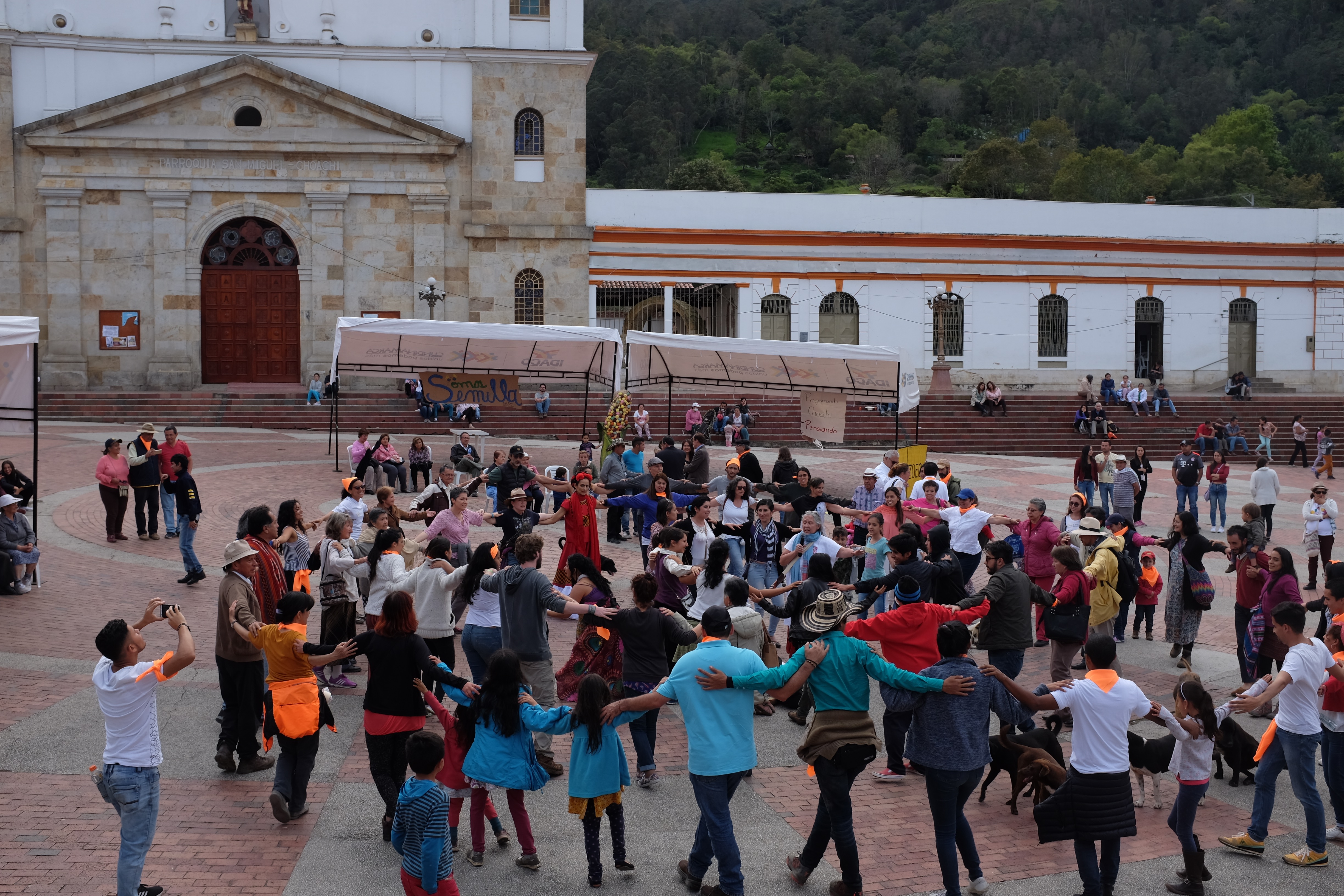
    These questions provided the backbone of an inspired weekend in Choachí, Cundinamarca. In this small town just outside Bogotá, 1,380 people came together to celebrate the ‘Carnaval del Maíz, del Trueque y del Perdón (the Carnival of Maize, Exchange and Forgiveness) – in an event which not only questioned but provided answers to some of the crucial issues which continue to contaminate the world we live in; irresponsible consumerism, economic self-interest, exploitation and internal division.

    The event? A coming-together of people from all walks of life, looking to create and participate in an alternative model of living. A carnival without a budget, without giant floats and without alcohol; a festival with a different purpose in mind…
    DSCF8115

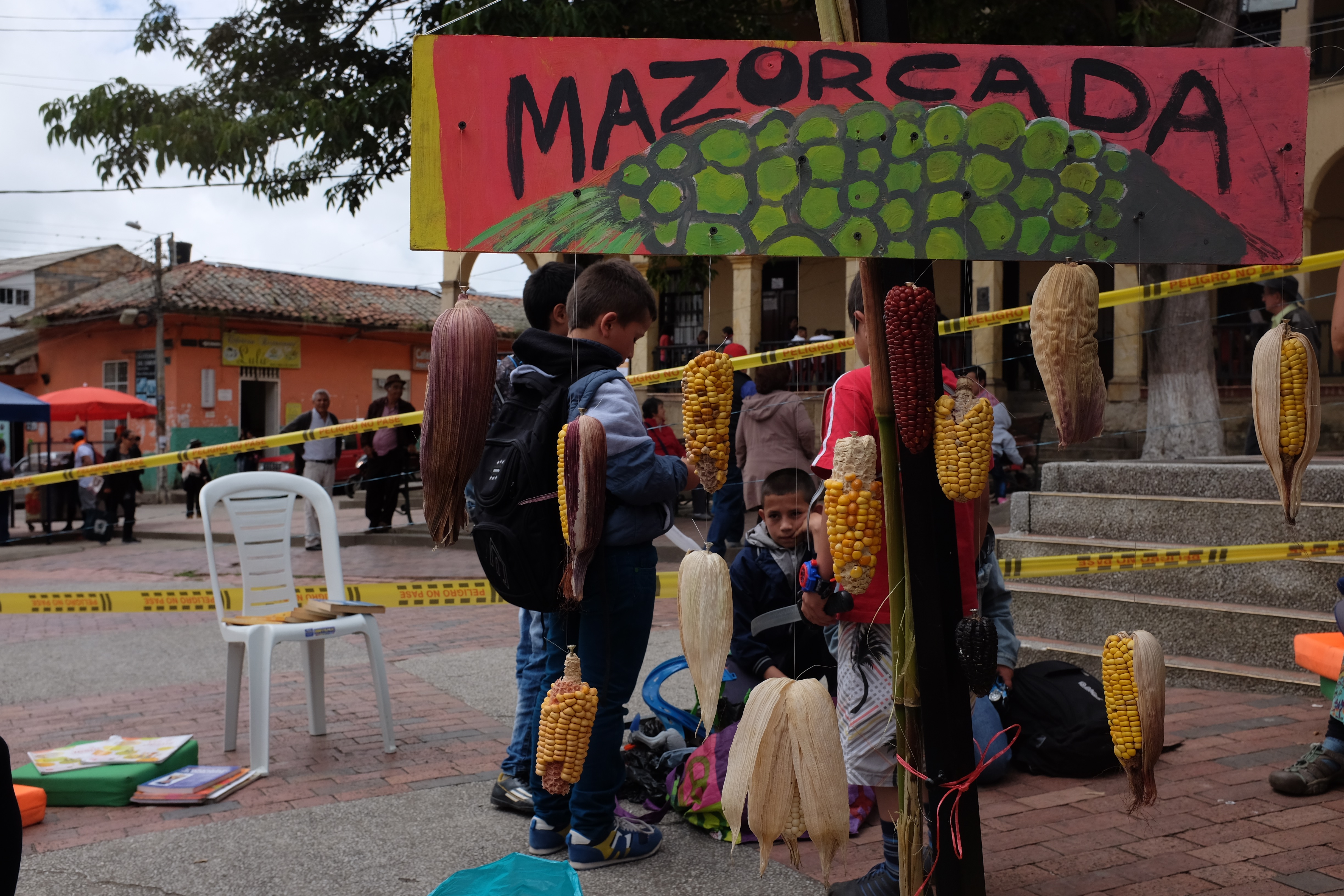
    It all kicked off on Saturday, with a celebration of one of the sacred pillars of the Pre-Colombian world; Maize. This Latin American life-force got the recognition it deserved in Choachí, with giant papier-mâché corns, healthy servings of Chicha (the ancestral corn drink) and a dedicated Maize Museum, which showcased all the varieties of maize that exist in Colombia today. In an age of Monsanto, monopoly and monoculture, homages to this iconic grain have become more important than ever. In the 1950s, there were over 6,000 varieties of maize in Colombia. Today, 480 remain.

    The second aim of the event was to address that vital cog in Colombia’s ongoing process of nation-building; forgiveness. Why forgiveness? Because we are talking about a country that has experienced 159 years of war, and only 48 years of peace in its entire existence. Forgiveness is the first step forwards, and with the aid of Gonzalo Gallo’s lecture on the ‘Magic of Forgiveness’, Choachí was transformed into a platform for a new way of living… a lesson in how to savour the present, without wincing from the venom of the past.
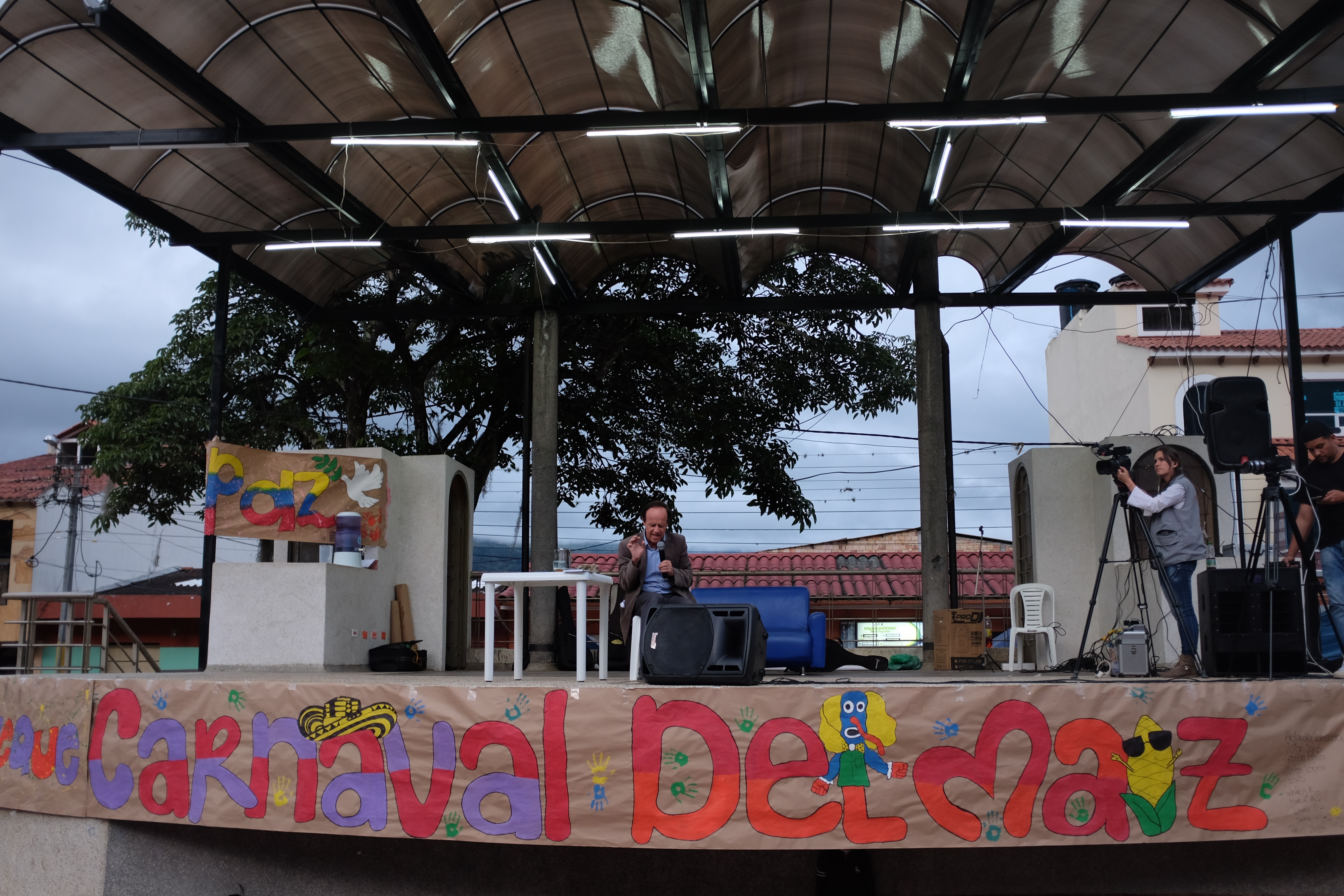
    DSCF7938.jpg

    On Sunday, the plaza of Choachí hosted the third key element; the Trueque. For those who are unfamiliar with the term, a trueque is a hand-to-hand exchange of products, services, knowledge and ideas between two parties; an exercise in reciprocity, with the aim of creating meaningful relationships between ‘traders’. It represents a move away from commercialism, profit and consumerism, as no money is involved and products are valued in terms of use rather than cost.
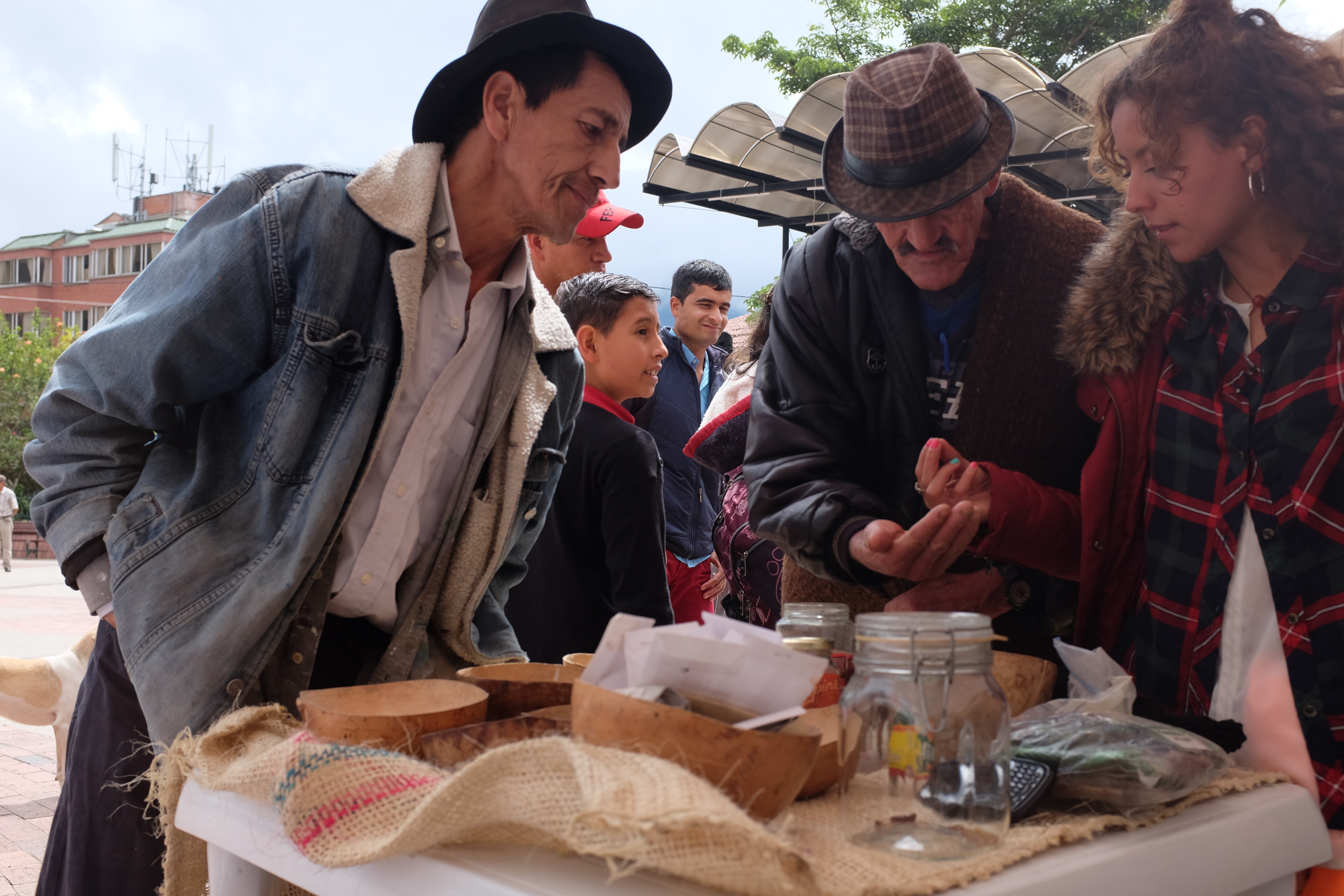
    DSCF8097

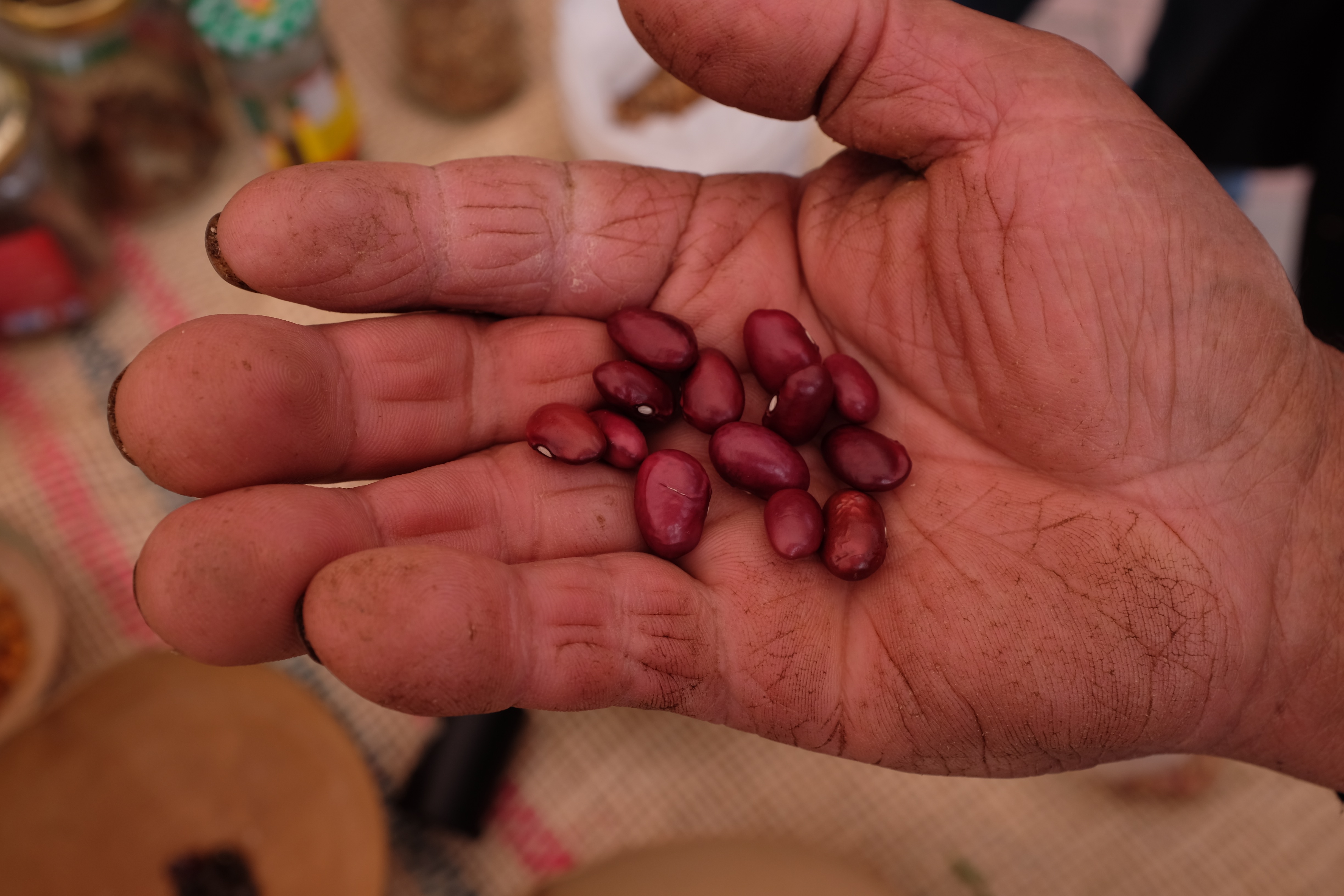
    An unwanted or disused bicycle is valued the same as a kilo of potatoes that could serve to make a soup…or a fistful of seeds, ready to sow. This year, chickens were traded for mobile phones, yoghurts were swapped for blenders and a young boy walked home grinning with his new Hot Wheels racing set, obtained in exchange for carrots and medicinal herbs. A man from Barranquilla exchanged his spare clothes for hugs.
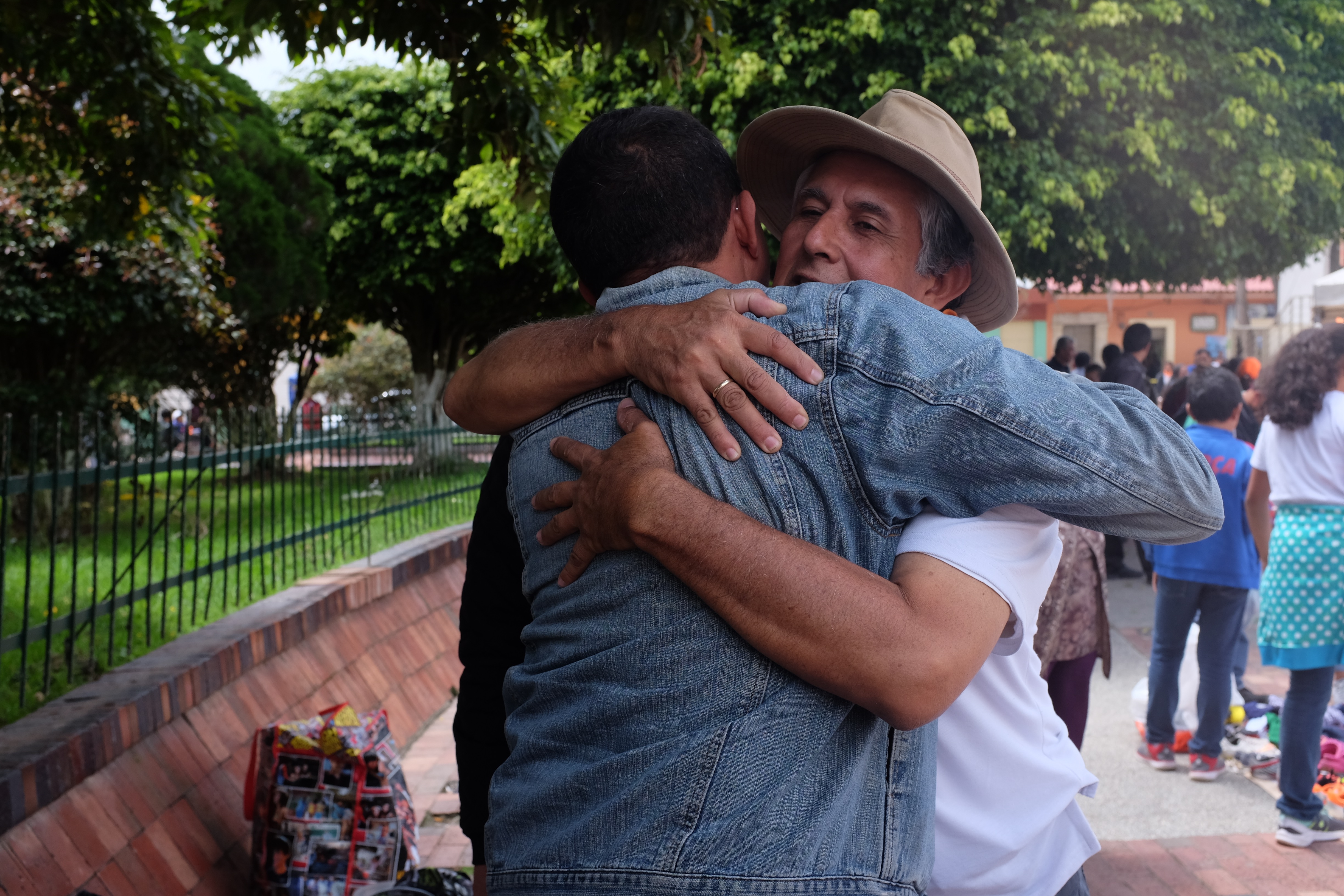
    DSCF8128

    The truth is that the commodities were merely an excuse. An excuse to get the City and the Country to talk to one another… a mutually-beneficial economy based on solidarity and cooperation, which served to connect people and form relationships. A series of beautiful interactions, based on nothing more than the simple dynamic of giving and receiving.

    As the stalls emptied, the music softened and the performances drew to a close, each and every attendee was left asking the same questions:

    “What if this magic were to become the norm? What if this event was about more than one municipality, in one country, for one weekend a year? What if this organic process became a model of how the City and the Countryside should interact? What if we stopped taking the products of the Earth for granted and started to value them in the same way that we value the absurd mound of possessions that we accumulate through our consumerist habits? What if we made a collective effort to have more carnivals like the one we had in Choachí…”

    “…What if?”
  • Catedral de Sal, Zipaquirá: Salvation tastes salty?

    One rainy evening, Pedro Medina gave me some good advice:

    “Whenever you comment on anything paradoxical, controversial or even remotely problematic Danny… hay que hacer sandwich”.

    Simply put, the idea is to “sandwich” your criticism between two healthy slices of praise; to give the bad with the good. Today, I want to “hacer sandwich” with my comments on the Salt Cathedral of Zipaquirá…

    DSCF7836

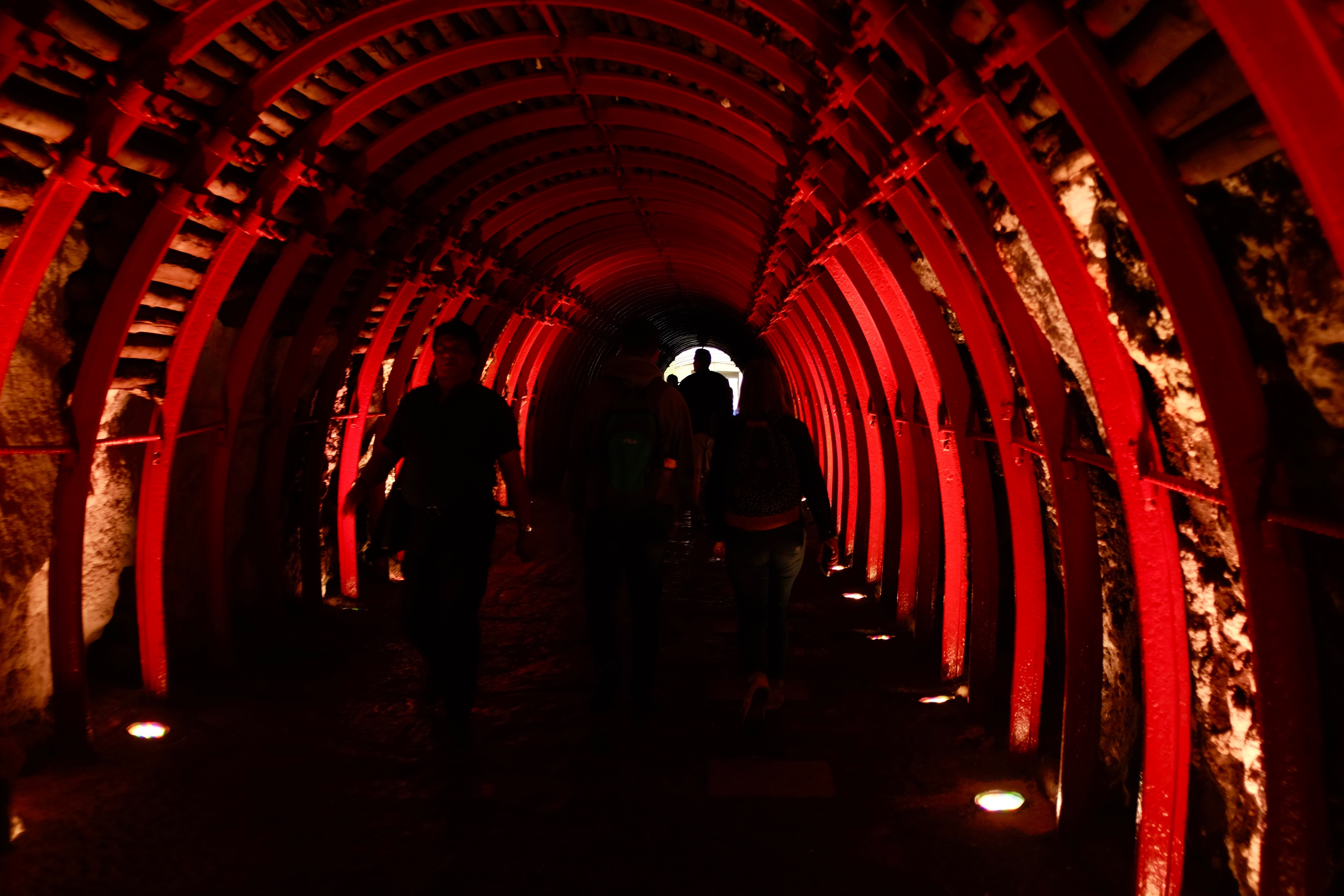
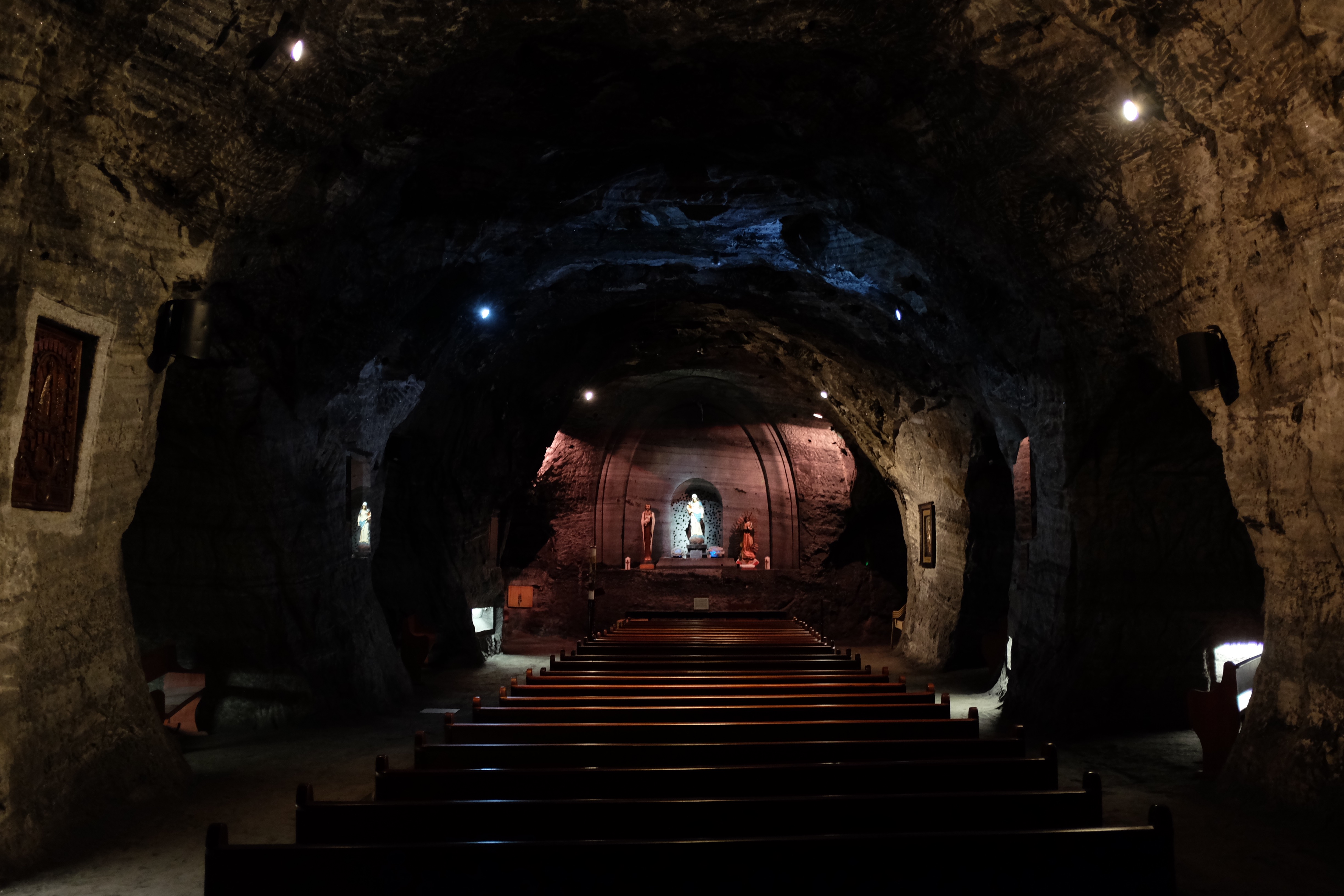
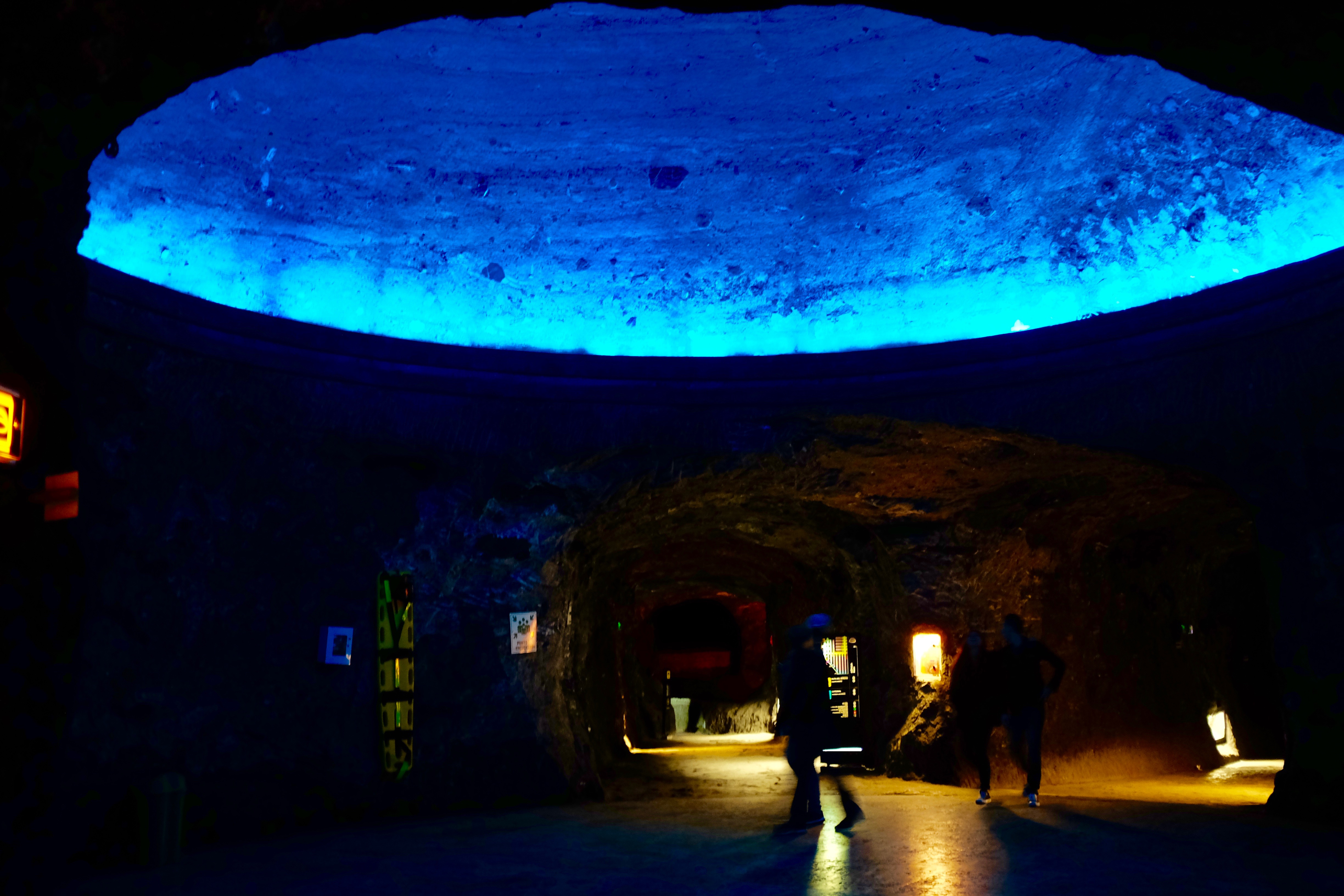
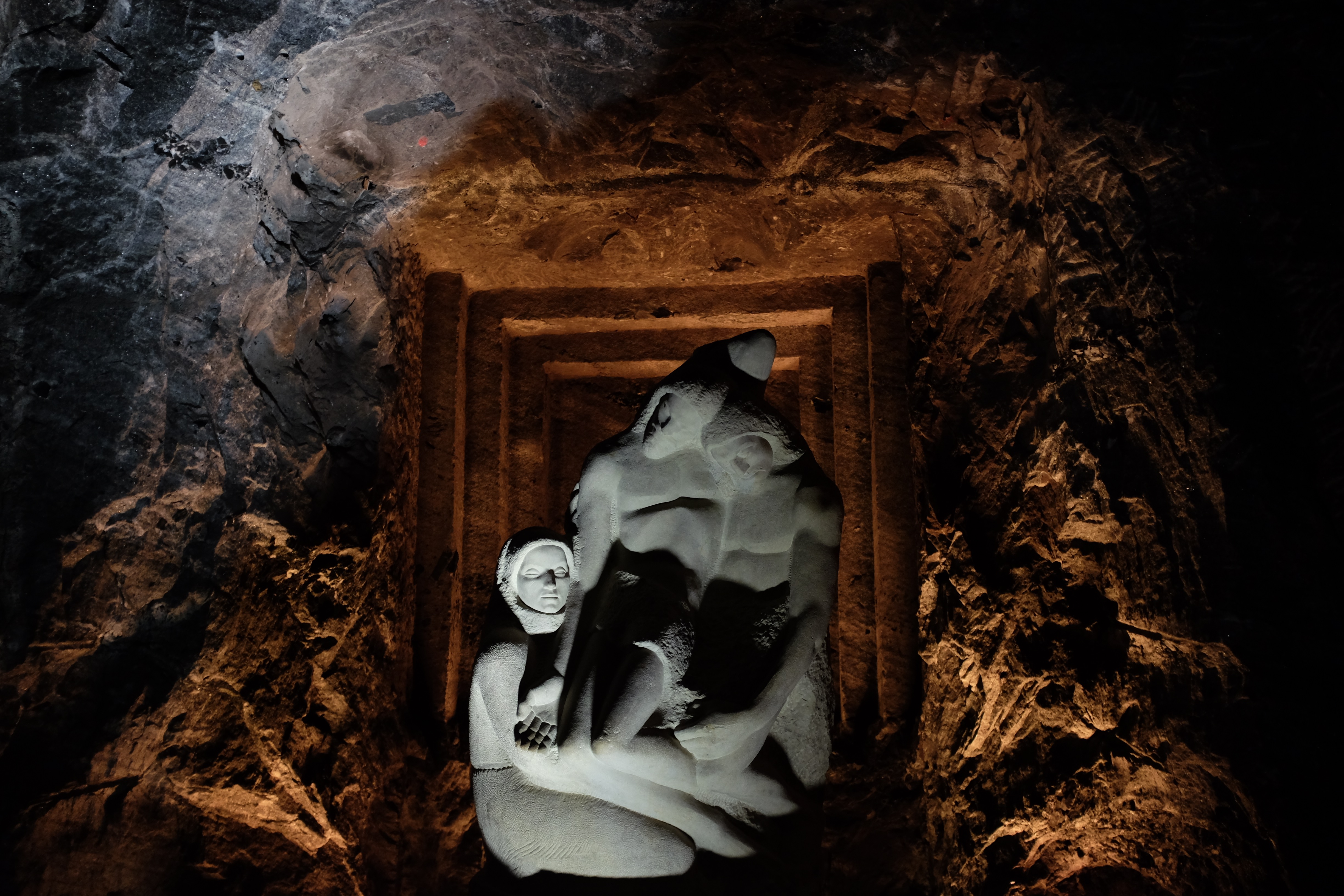
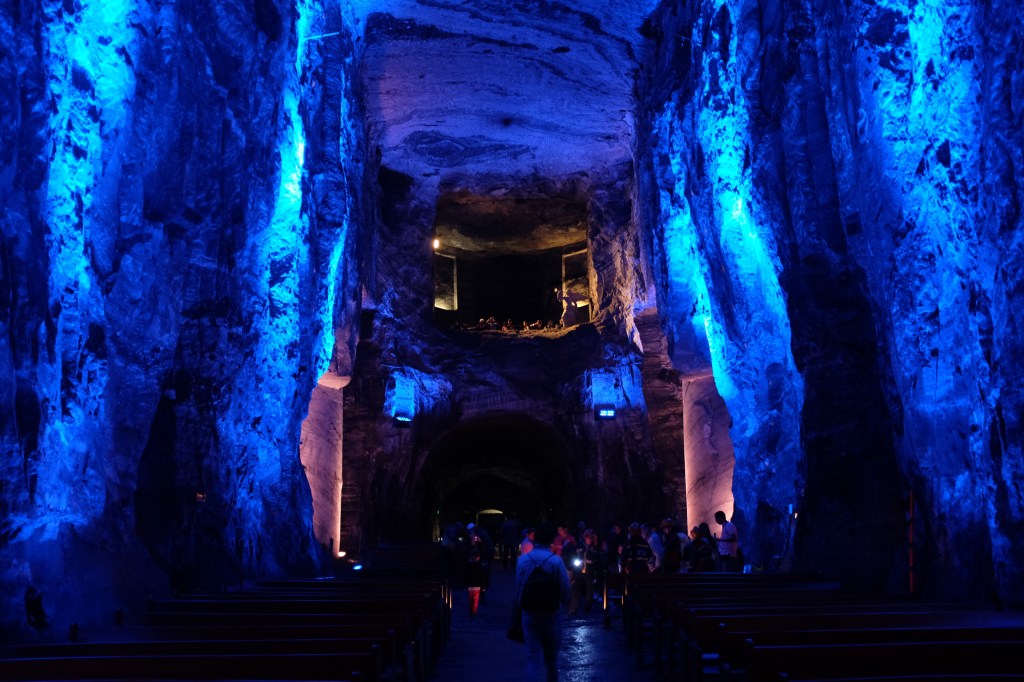
    Just over an hour from Bogotá lies the city of Zipaquirá – Colombia’s “Salt City”. One of the country’s oldest settlements and home of the world’s largest underground Cathedral. 1500m below ground… a subterranean complex that fits 7,000 people.

    DSCF7750

    This Cathedral is simply massive. So big in fact, that the Vatican itself had to intervene to ensure it didn’t get any bigger, because “no church can be bigger than St. Peter’s Basilica in Rome” … imagine!

    Inaugurated in 1995, this magnificent Salt Cathedral is an architectural marvel which boasts the following:

    A nave with a 16m salt cross…

    DSCF7818

    The 14 stations of the cross sculpted with salt…

    A salt dome…

    DSCF7833

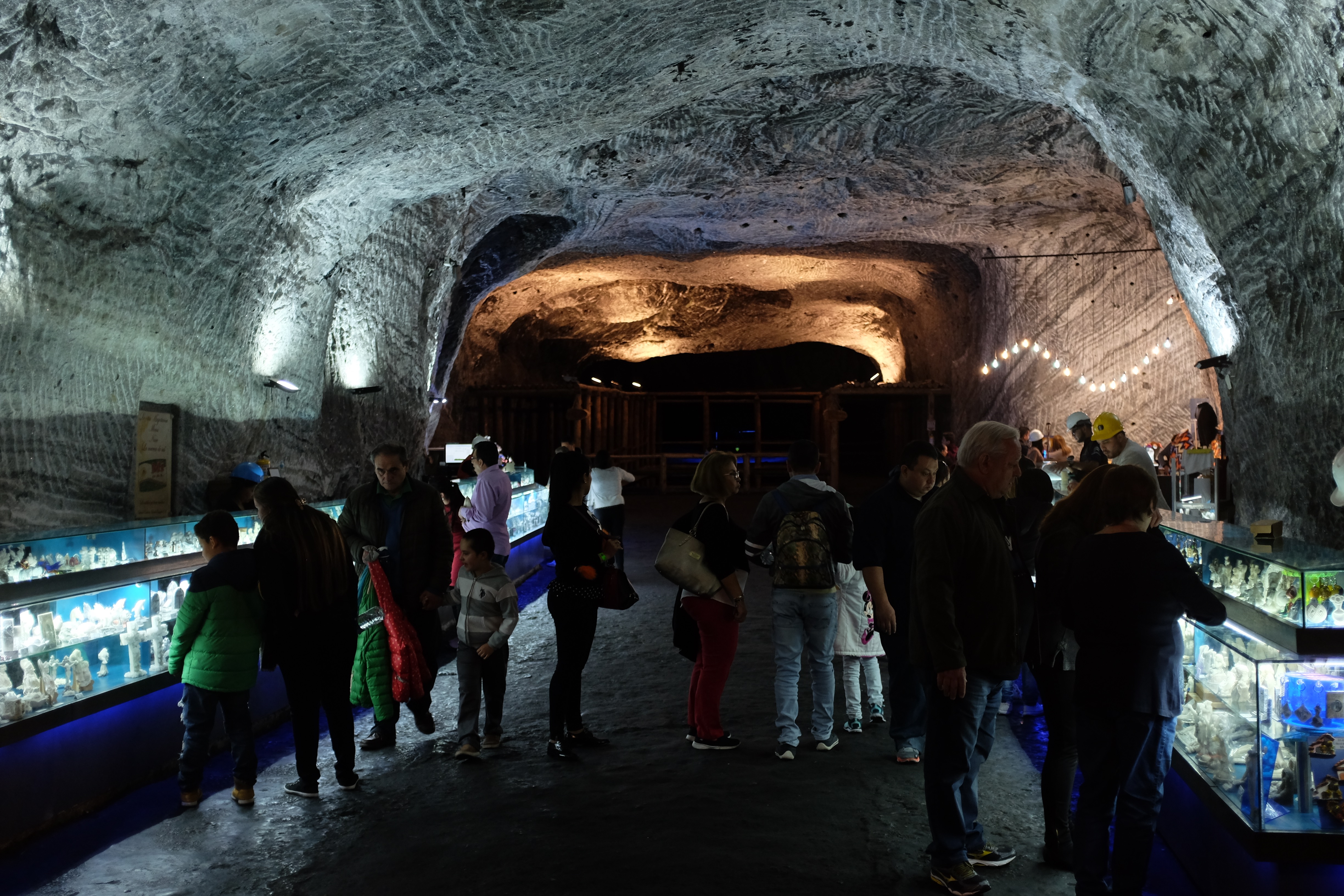
    A salt shopping centre full of salt souvenirs…

    DSCF7776

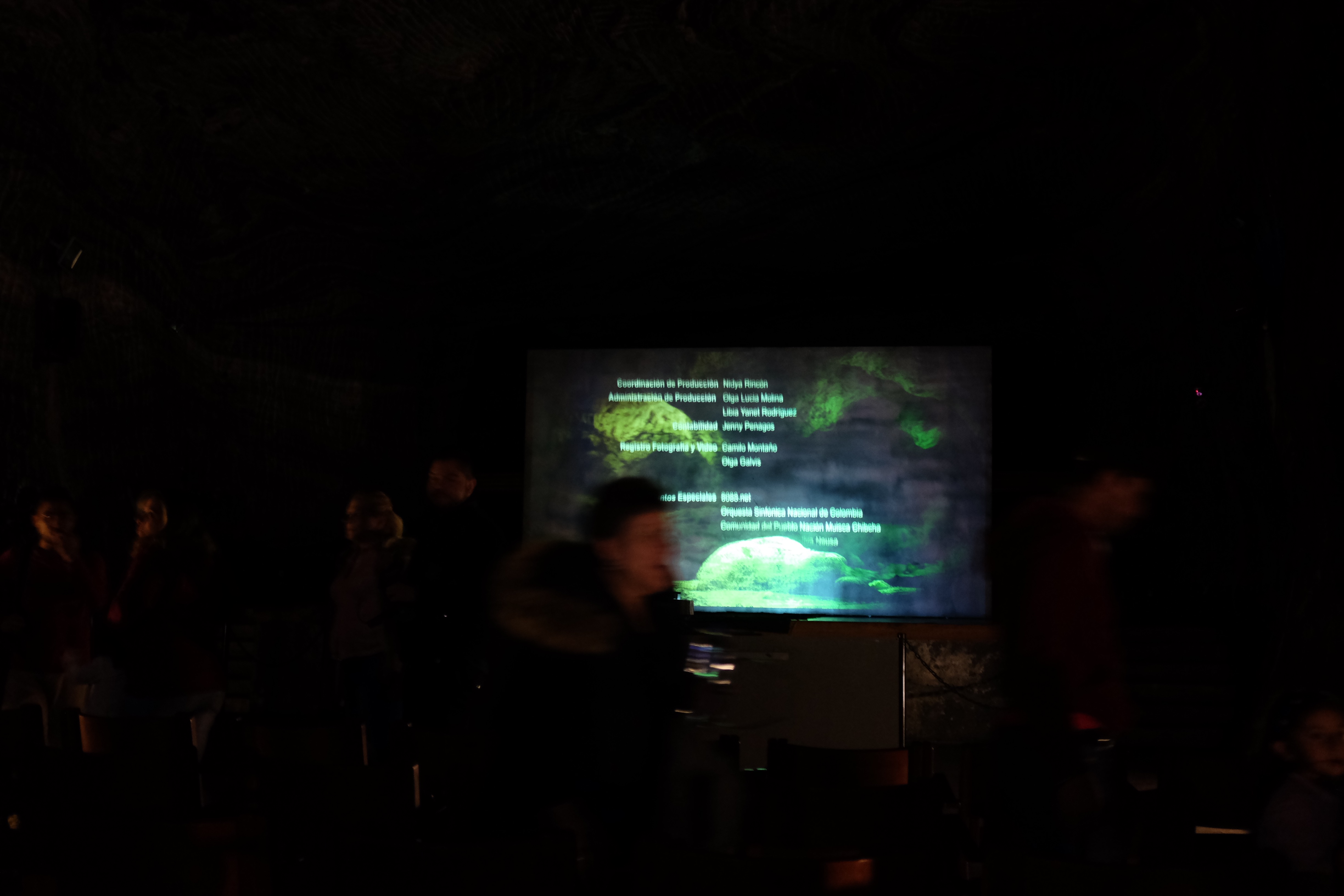
    A salt 3D cinema screen…

    DSCF7810.jpg

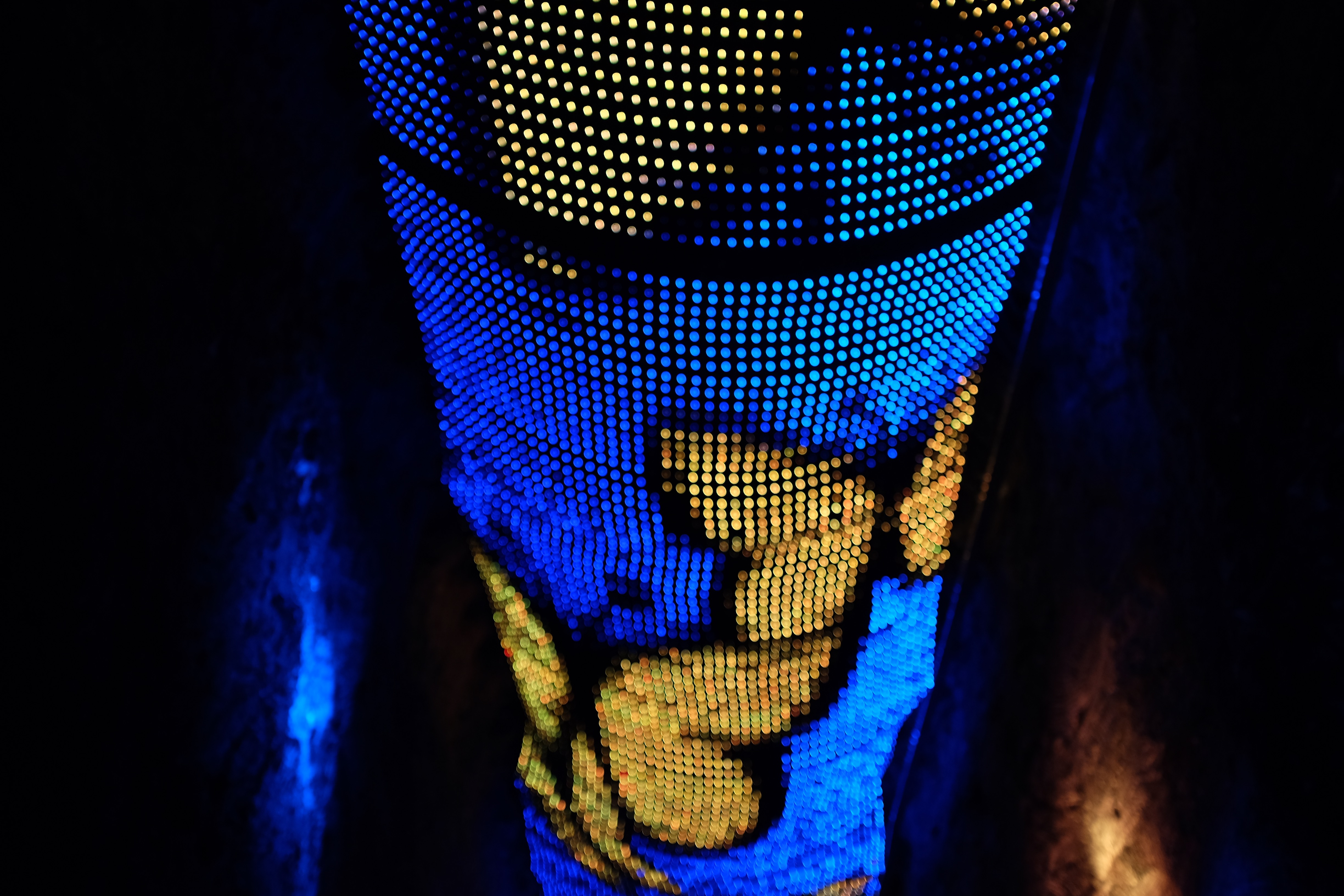
    A light show made of salt…

    DSCF7785.jpg

    It’s all there in Zipaquirá. Think salt-version of the Ice Hotel and you only just start scratching the surface of the sheer magnitude we’re talking about here. Everything sculpted from salt. No steel, no cement. Only salt – a mineral with super-sensitivity to heat and moisture. You cannot help but marvel at the meticulous craftsmanship that build this place.

    And that’s where I “sandwich” my issue…

    You see, to build an underground Cathedral you first need a hole. With no hole, there’s no space to build a Cathedral…

    And I can say with full certainty that it wasn’t Sr. Roswell Garavito Pearl and his team of architects and engineers who built this hole.

    DSCF7752.jpg
    The Muiscas and the miners… condemned to the shadows?

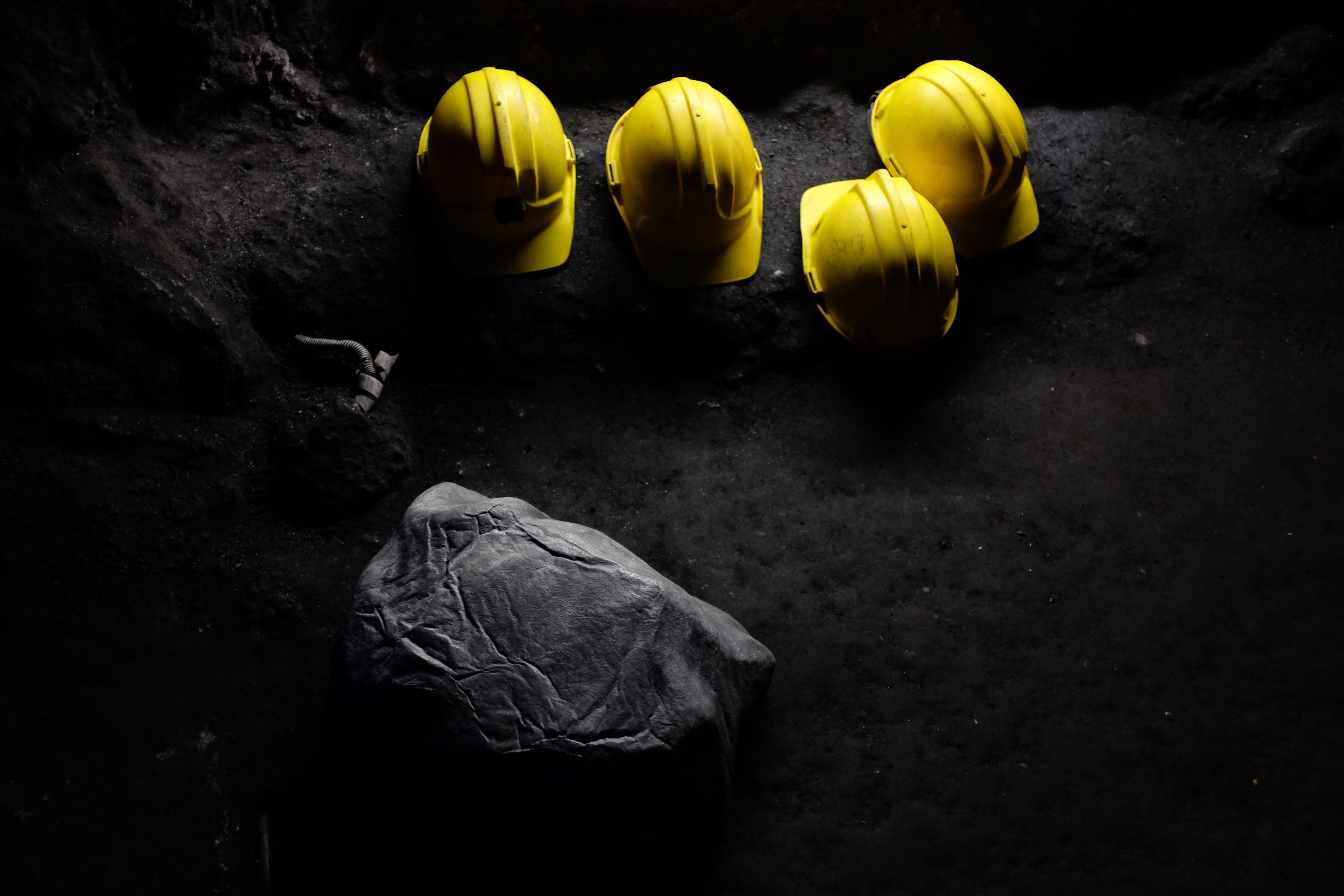
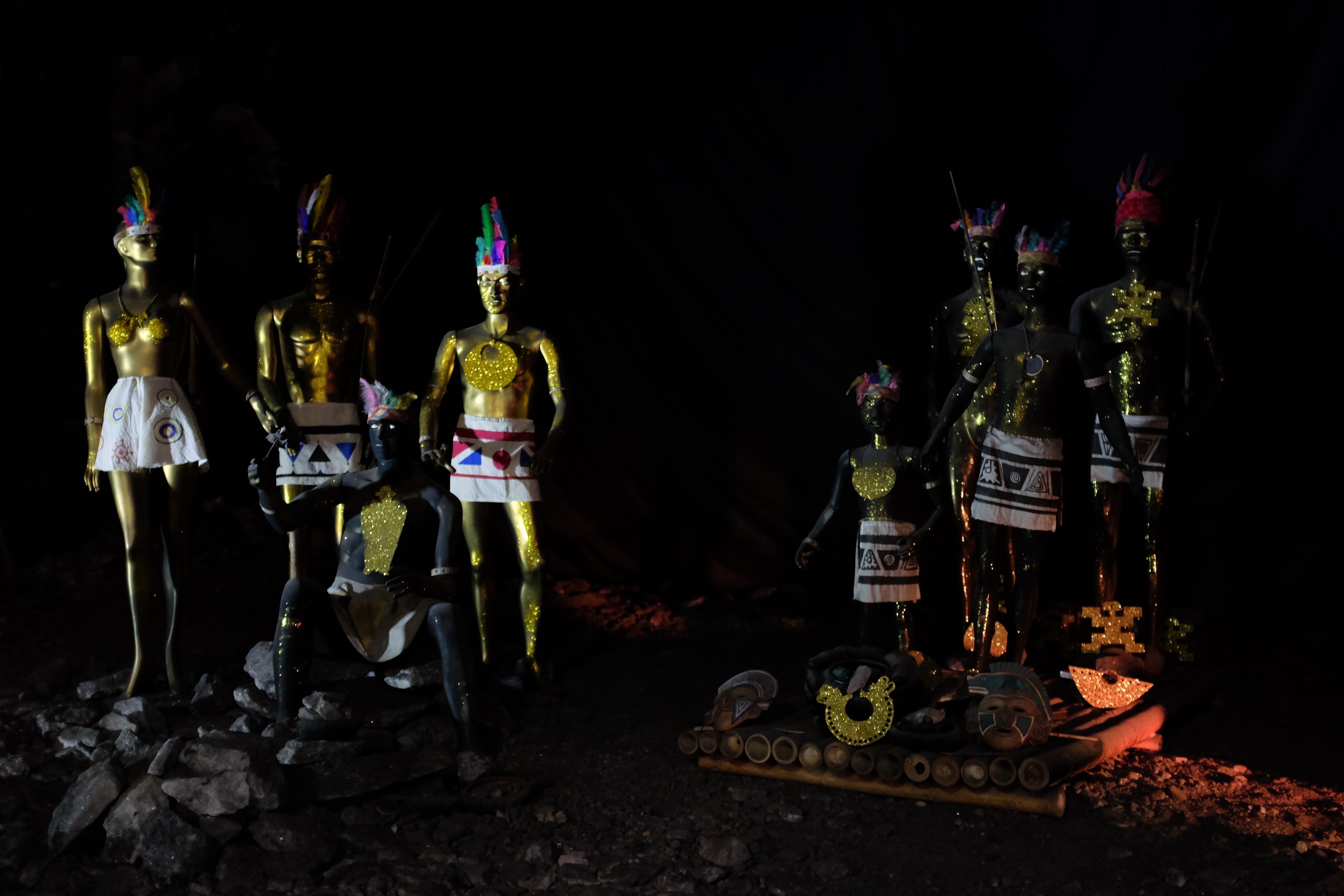
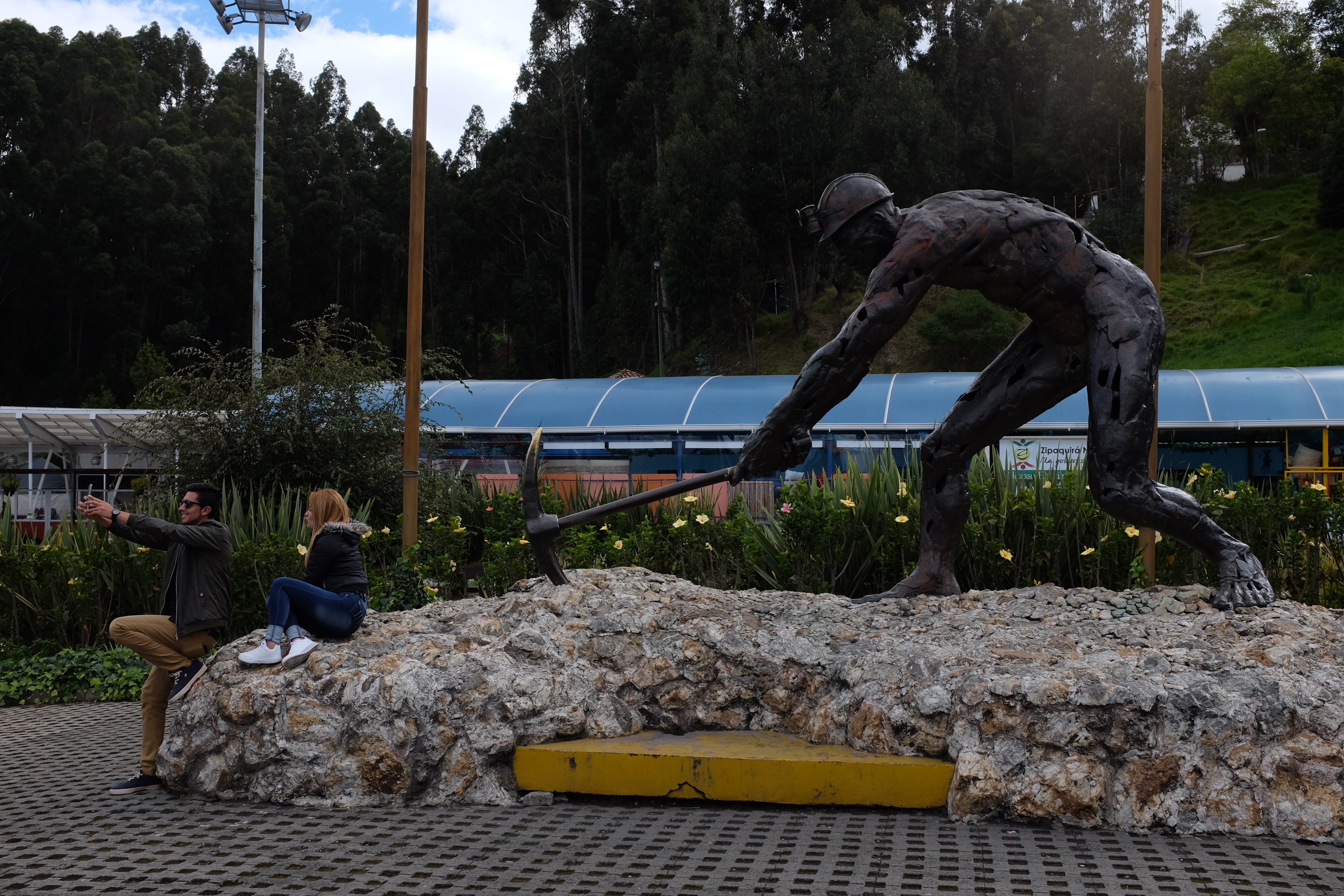
    The real builders were the Muisca people who started carving that hole right back from the 5th Century BC. The real builders were the generations upon generations of indigenous miners who were made to work the mines of Zipaquirá throughout Colombia’s colonial period, right up to the mid-20th  Century.

    Just consider the human power required to create such a space… human arms, basic tools, candlelight and the sheer determination to keep mining.

    I have to say, I find it quite ironic that this entire chapter of history has been shamelessly glossed over and redefined in overtly religious terms. The Catholic Church ruthlessly imposing upon pre-Columbian history and culture… where have we heard that one before?

    DSCF7811

    In Zipaquirá, the Virgin Rosario Guasa (patron saint of miners) steals the show, and the miners themselves are left in their shadow…

    For the record, this is all the Muiscas get in terms of commemoration:

    DSCF7768.jpg
    Is that actually it?!

    I mean, come on – if you’re going to stand on the shoulders of giants at least acknowledge them!

    Just think about all that forgotten accomplishment… and in a country which, to this day, still uses the term “indio” as an insult! Inexcusable. I’ve even heard people in Bogotá refer to cheap mobile phones as “móvil flecha” (or bow-and-arrow mobile)

    Why? Because any “indio” can get one.

    What we’re talking about here is a country which has never learnt to recognise the value of its 102 indigenous groups, and which continues to denigrate them on a daily basis.

    DSCF7856.jpg
    From salt mining to “selfies”..is the past being forgotten?

    So what an opportunity for the Salt Cathedral to put things right! Let’s have less crucifixes and UV light shows and more information on the Muiscas and the miners, please.

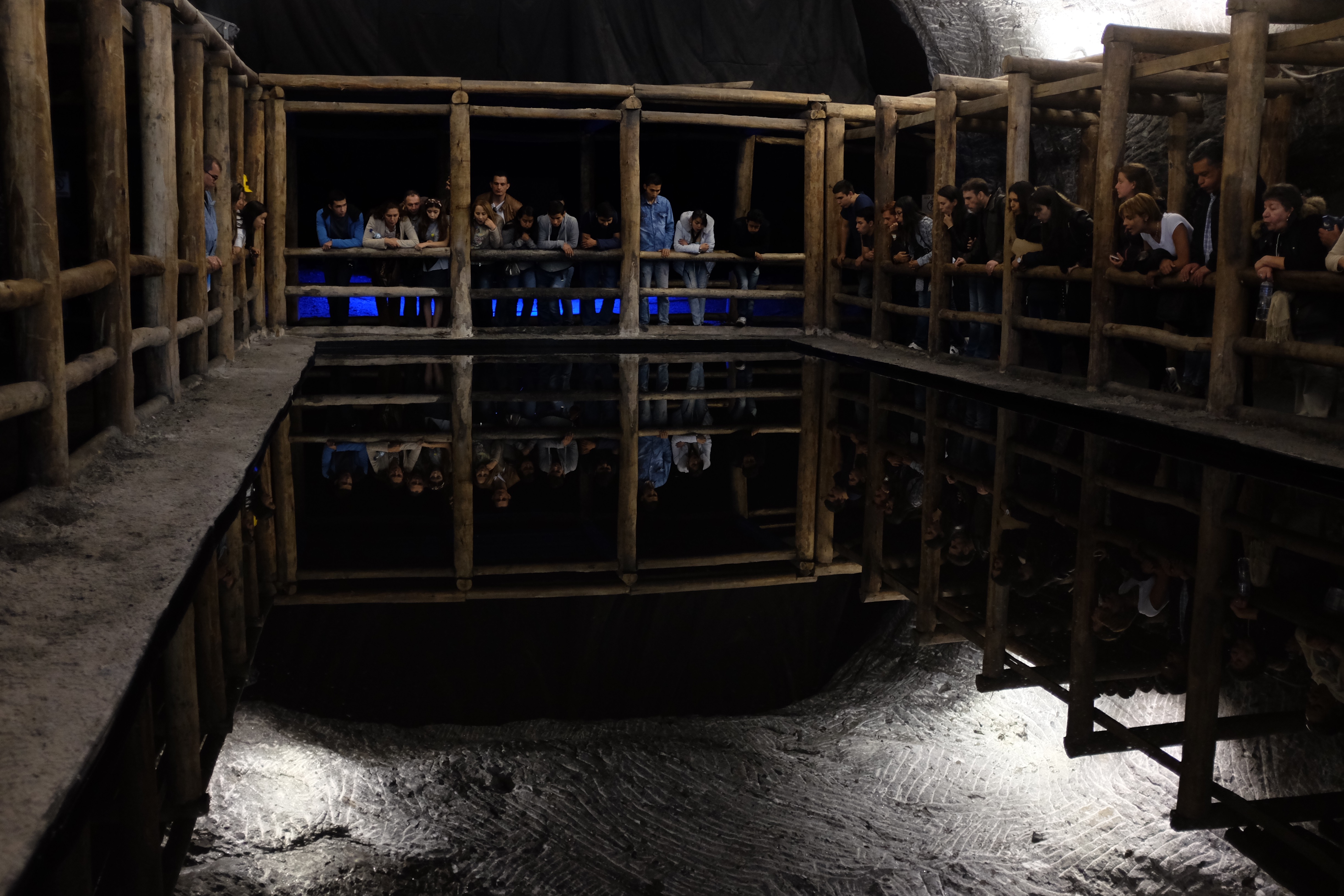
    Only once we reach this stage… can we get a true reflection.

    DSCF7805.jpg
    Crucifixes and UV lights… a true reflection?


  • La Calera, Cundinamarca: harmonicas, pilots and magic realism

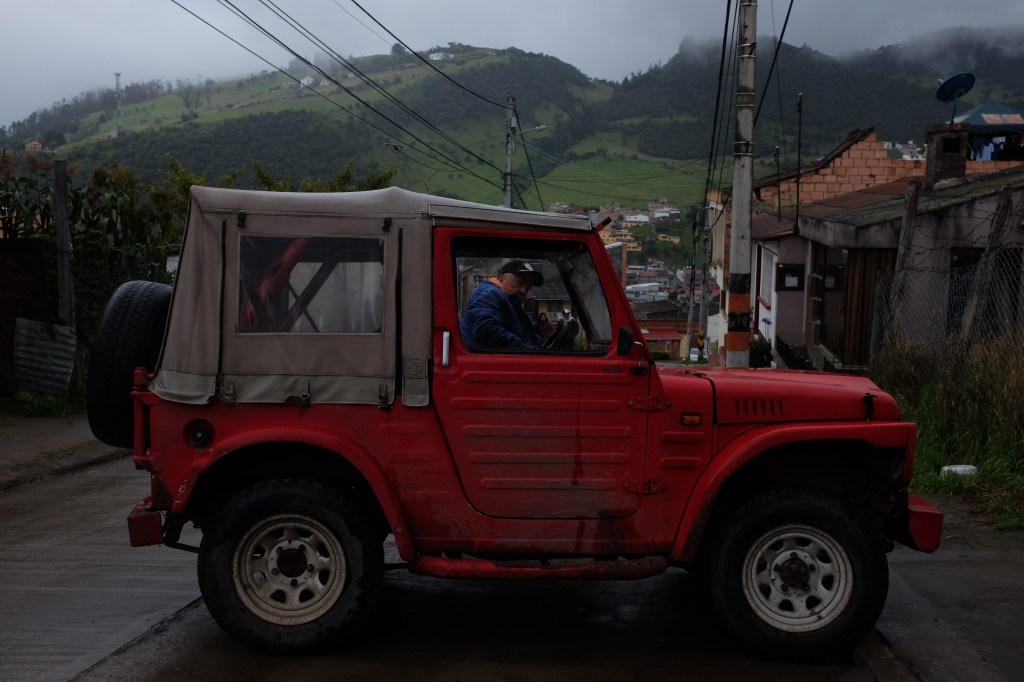
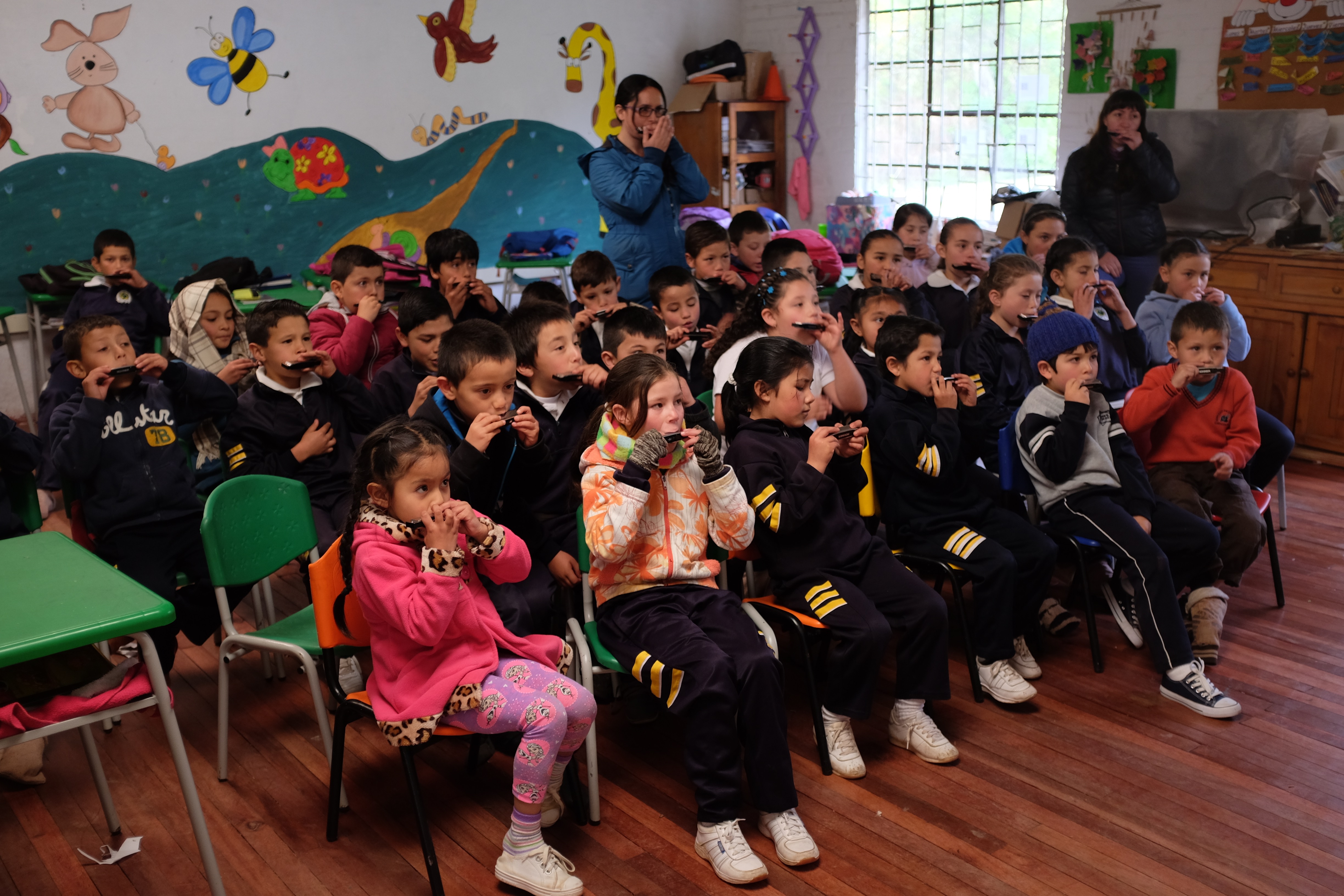
    At the crack of dawn, each Monday morning, Alejandro Garcia – the 76-year old pilot – drives his old red jeep up into the clouds to teach the children of Tunjaque the harmonica. He lights the stove in the dark, careful not to wake Gilma… or even less so Tobi, snoring in his basket on the kitchen floor. A bark that could bring the house down.

    The road to Tunjaque is long and treacherous. The gears grind as the jeep churns and splutters its way up through the mud, boring a path through the morning mist. The Gavilán 358 he calls it. Small, compact, powerful. “The plane that built Colombia”. As he drives, his mind wanders up into the clouds, as he imagines himself soaring over Cúcuta, gliding over the planes of Villavicencio or looking down on Wayuú lands of La Guajira… Again and again he relives those moments. A game he plays to pass the time.

    “Buenos días Capi”, they call out to him – waving, smiling, acknowledging. He knows that he is loved in La Calera. Capitan García. The Captain. “Capi”. He beeps back each and every time… the truck with the gas cylinders, the woman returning with milk, the men huddled around a brewing pot of tinto in the nearby construction site. Despite the cold, La Calera is full of warmth.

    Alejandro is a pilot who has fallen 11 times. “If you fall, and don’t force yourself into that plane the very next morning… you’ll never fly again,” he tells me. Smiling, yet stern in the early hours. “That is an important lesson in life, Danny”.

    As we approach Tunjaque it is clear that Alejandro lives everyday as if he were in that plane. He knows that if he missed a morning class with these children, he would never have the energy go back and do it again. So at the crack of dawn, each Monday morning, Alejandro García – the 76-year old pilot – drives his old red jeep up into the clouds to teach the children of Tunjaque the harmonica…

    For more Short Films… SUBSCRIBE to my Youtube Channel

    DSCF7455.jpg

    DSCF7470

    DSCF7473

  • Samper, La Siberia: Colombia’s “ghost factory”

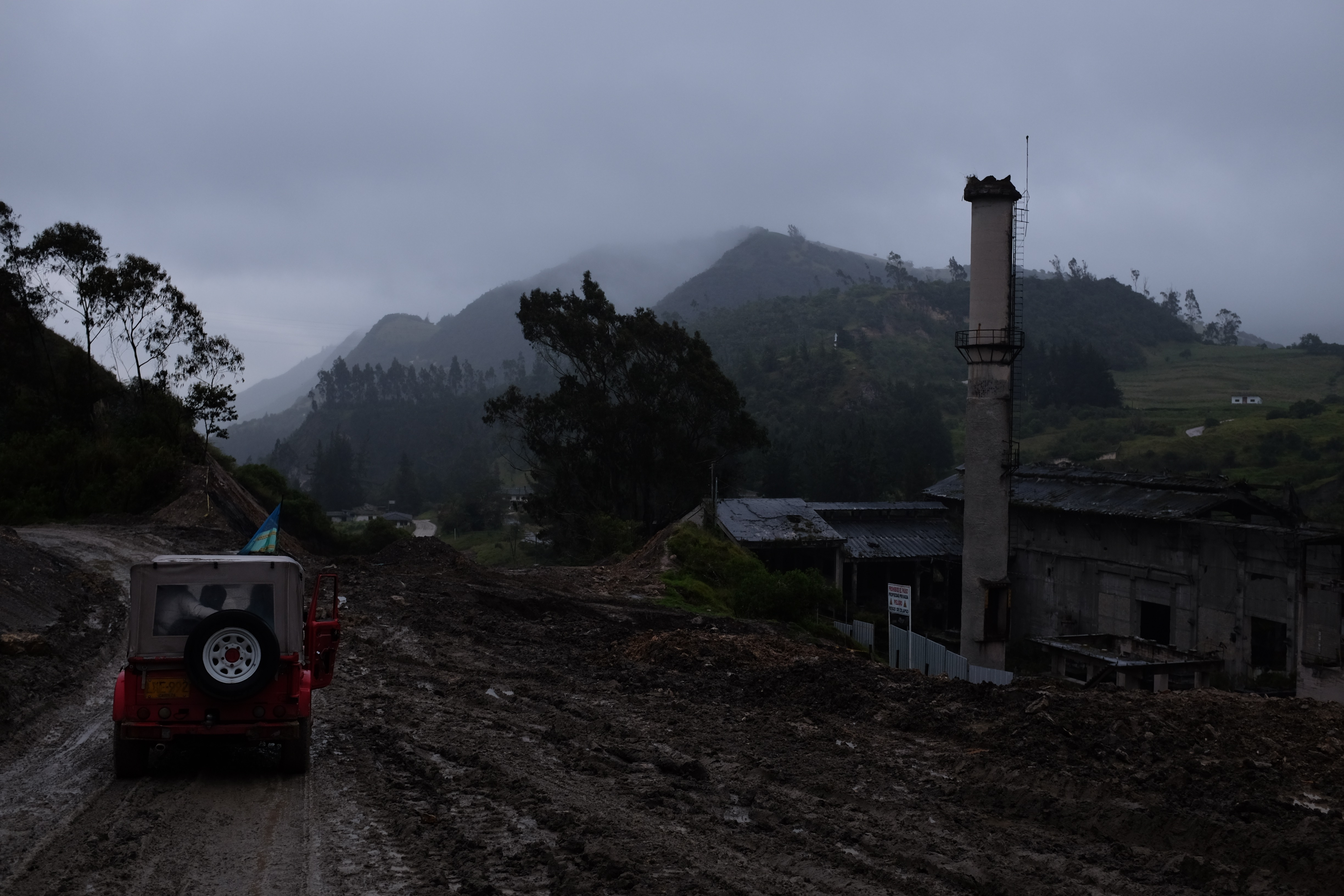
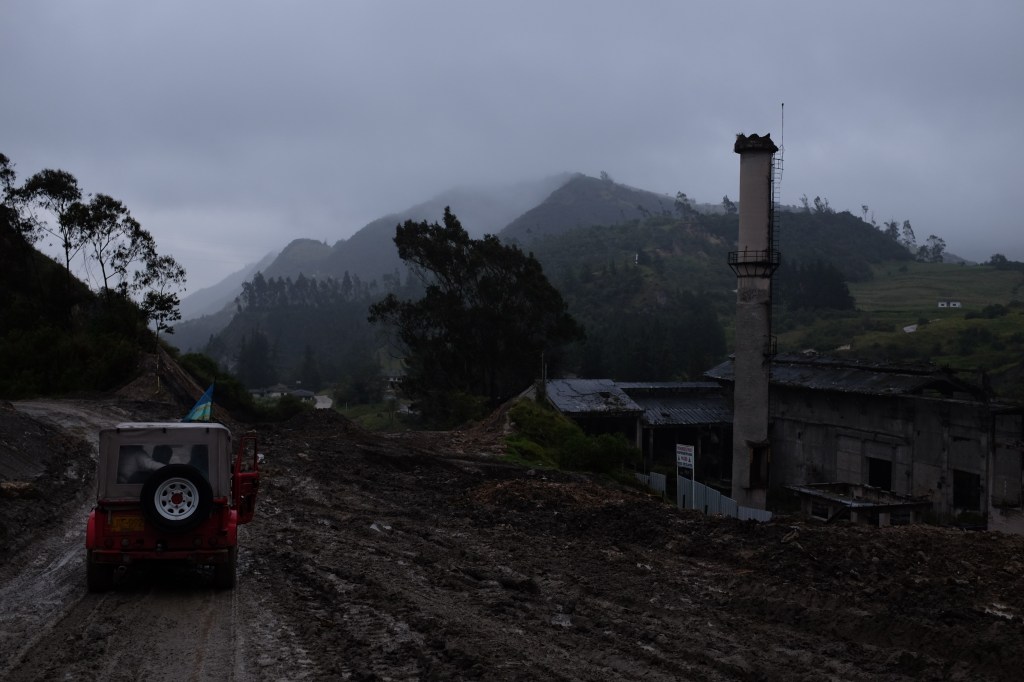
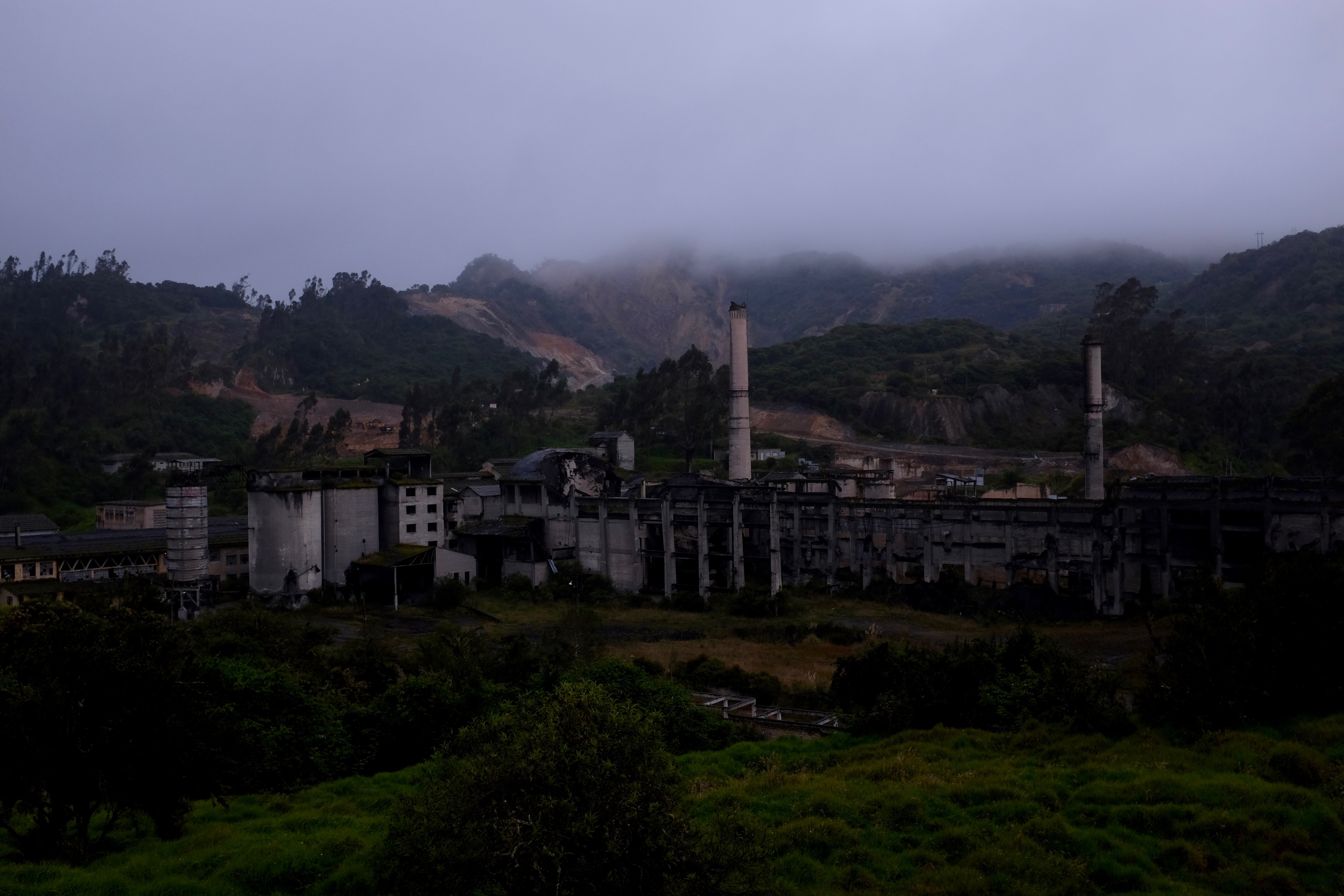
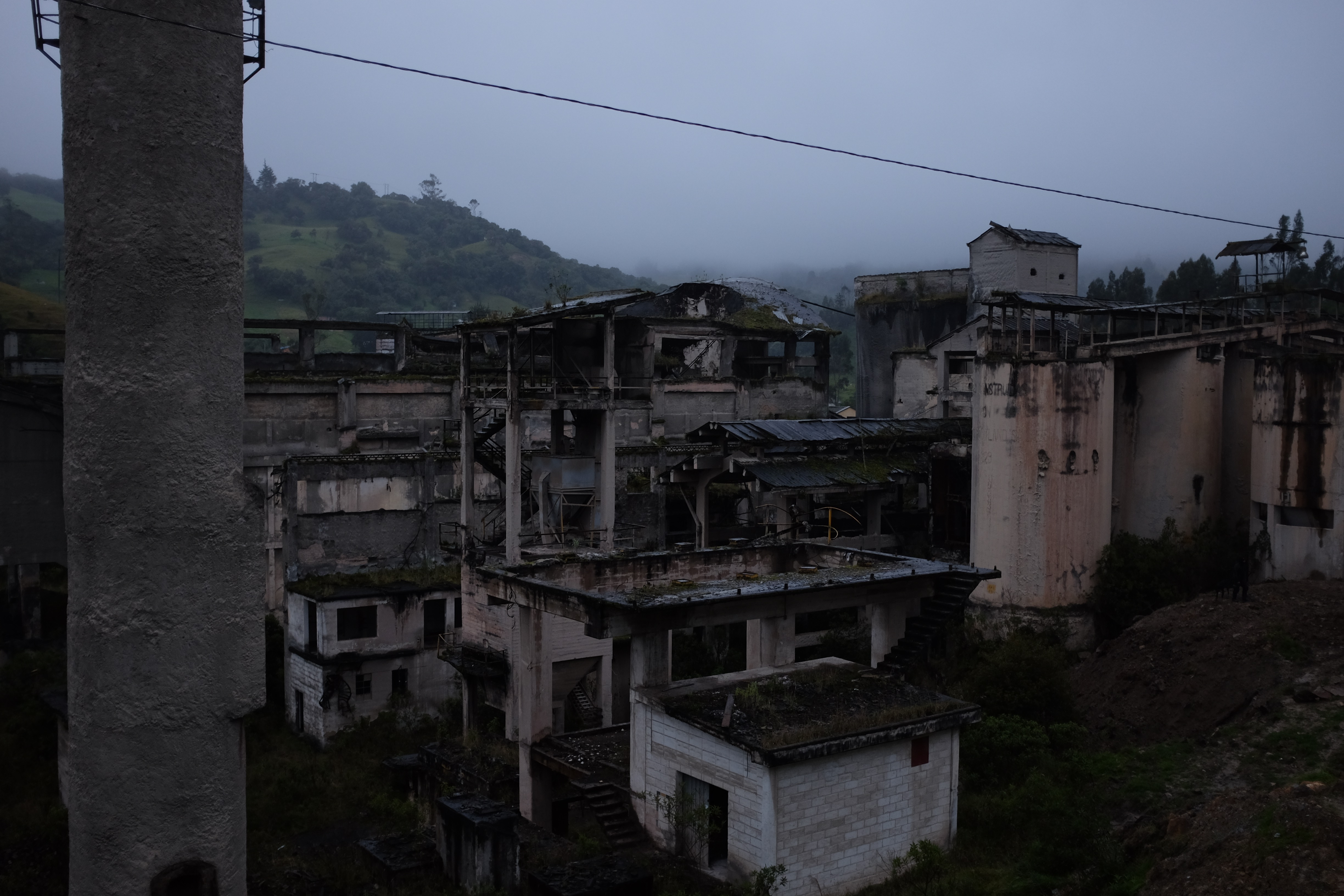
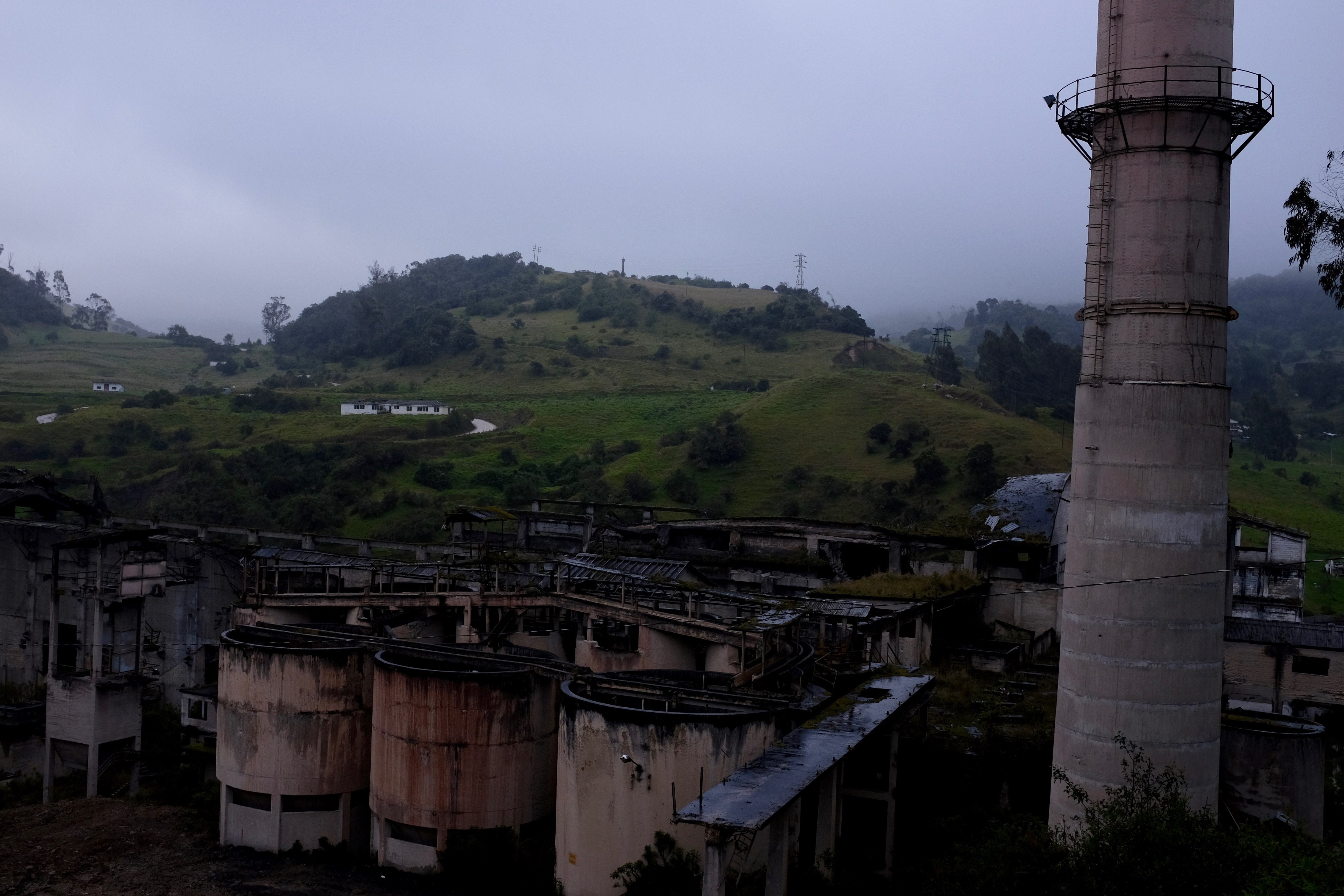
    It’s been almost two decades since the cement mixers stopped churning in Samper. Once the pride of La Siberia – an unforgiving wasteland outside Bogotá, in the harsh altitudes of Chingaza – the factory now stands derelict. Abandoned. The “Chernobyl of Chingaza”. A ghost town that casts a shadow coloured with paradox; tales of revolution and change, hope and optimism for the people of the region… ultimately poisoned by greed. To this day, Samper remains a powerful symbol of progress and failure in Colombia’s misty moorlands…

    DSCF7432
    Samper Cement Factory, 2017

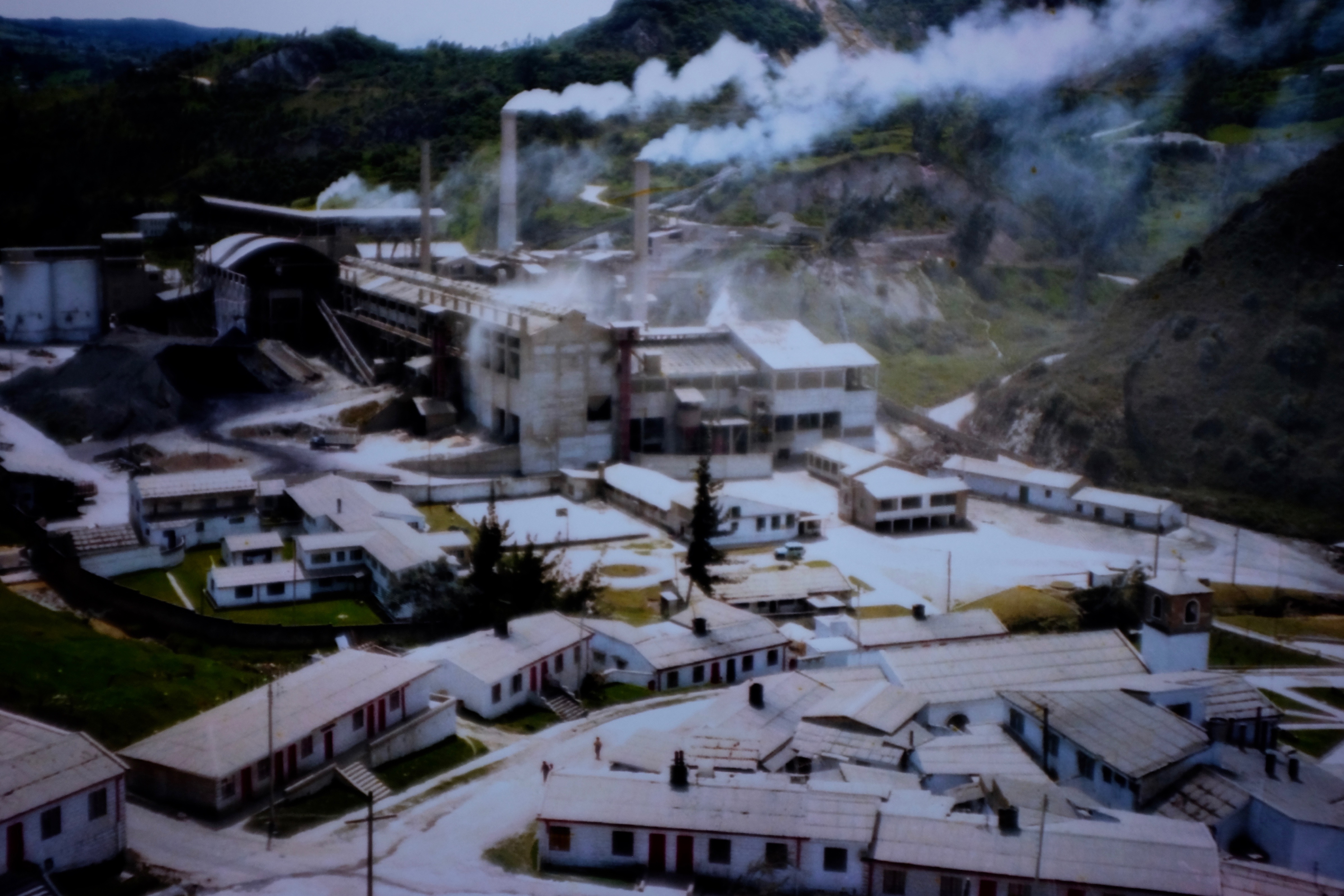
    It’s hard to conceive that this so-called “ghost factory” was once the beating heart of the region. The first cement factory in Colombia, which operated for over a century, pumping out 200 tonnes of cement each day… the main artery during the country’s “concrete boom” in the 1960s.

    Samper Cement Factory; a site-turned-settlement which transformed wastelands into production lines… smoke billowing, picks clinking against the hard limestone…extraction, machinery, cable carts shipping immense quantities of raw material to the mixers.

    DSCF7505
    Samper, 1929

    Whilst the United States was embroiled in the Great Depression, this injection of industry brought about nothing short of economic and social revolution. For the region, it spelt the end of tyranny and broke the shackles which had enslaved the people of Chingaza since colonial rule. For the first time, the rural campesino received actual pesos in their pockets. Actual money. Cement money.

    No more could the land-owning elite appropriate the land and force its inhabitants to work day-in, day-out for little more than a meal and a roof over their heads. Whilst exploitation persisted, the semi-feudal dynamic had irreversibly shifted. The introduction of monetary payment changed everything, and for this reason the people of Chingaza look back at the heyday of Samper with nostalgia in their eyes.

    DSCF7452 (1)

    However, sweeping change and rapid progress always has a price… and as is so often the case, it was the land that suffered. With the concrete boom came greed. Demand was increasing, and supply had to match. “Smith” churners were brought in from Germany. Production was stretched up to 1,000 tonnes a day. Extracting. Extracting. Pumping. Pumping. Pumping. Samper never sleeps.

    The people of Chingaza still remember the silt. The grey powder falling from the sky like snowflakes and settling on the surrounding landscape. Crops, vegetation and streams turned a deathly grey. La Siberia became the concrete wasteland… a Valley of Ashes, without the watchful eyes of Doctor T.J. Eckleburg. Cattle started dying. People became sick. Workers started striking, and just like that the soon-to-be ghost town wrote its own obituary.

    DSCF7459

    The introduction of environmental bodies into Colombian policy-making spelt the end for Samper. Sanctions followed and soon the money ran out. In 1998, the factory closed its doors and with it, the community of La Siberia vanished forever. What remains is a concrete example of how not to bring about change. An unsustainable model, maintained by hope but guided by greed until the model collapsed.

    To this day, defenders of Samper claimed that the factory helped put an end to systemic exploitation in La Siberia. This is only a half-truth. Whilst helping to guide its people out of semi-feudal rule, Samper relentlessly exploited the very land that sustained it, and ultimately paid the price.

    In this sense, the story of Samper is a lesson for the whole of Colombia – the most biodiverse country per square meter in the world, with the second highest proportion of environmental conflicts – that progress at the cost of land exploitation is a doomed enterprise.

    Some might call it a fitting end as they look back on the ruin of Samper… a factory which is gradually being reclaimed by the very land it once exploited.

    DSCF7445


  • Villa de Leyva, Boyacá: The House that Octavio Built…

    “un obrero es aquel que trabaja con sus manos; un artesano el que trabaja con sus manos y su inteligencia; pero, un artista es el que trabaja con sus manos, su inteligencia y su corazón”.

    He who works with his hands is a labourer  He who works with his hands and his head is a craftsman. He who works with his hands and his head and his heart is an artist.

    As the rain poured down in Villa de Leyva, Octavio Mendoza dreamt of building a house from the earth. In 1999, a year of chaos in Colombia, he dreamed of forging his own chaos, a positive chaos… a constructive chaos in the face of national loss and destruction.

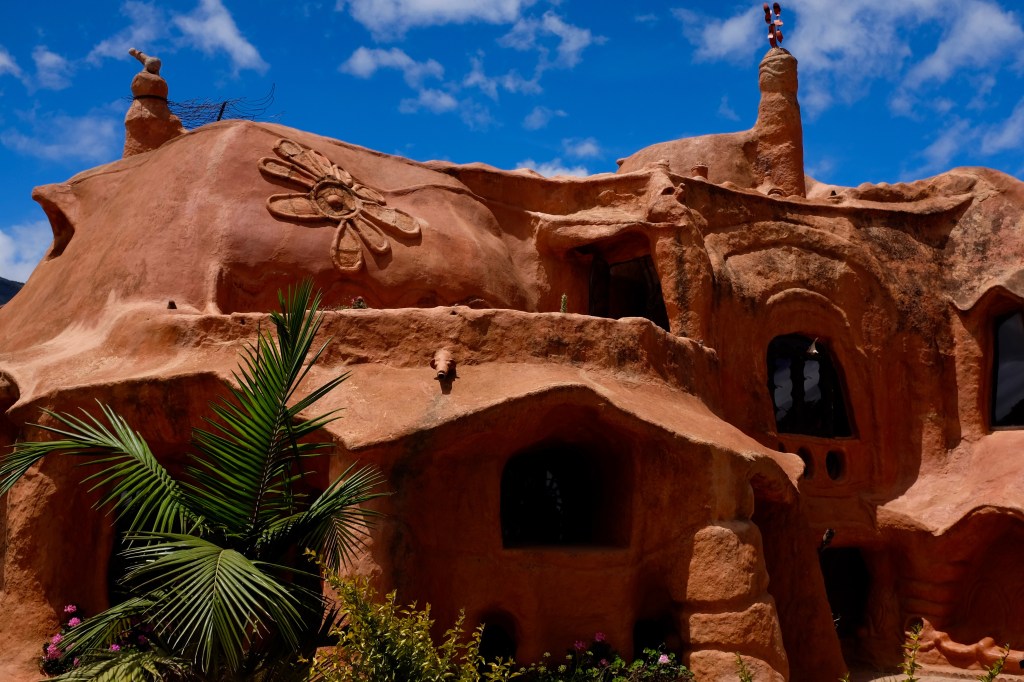
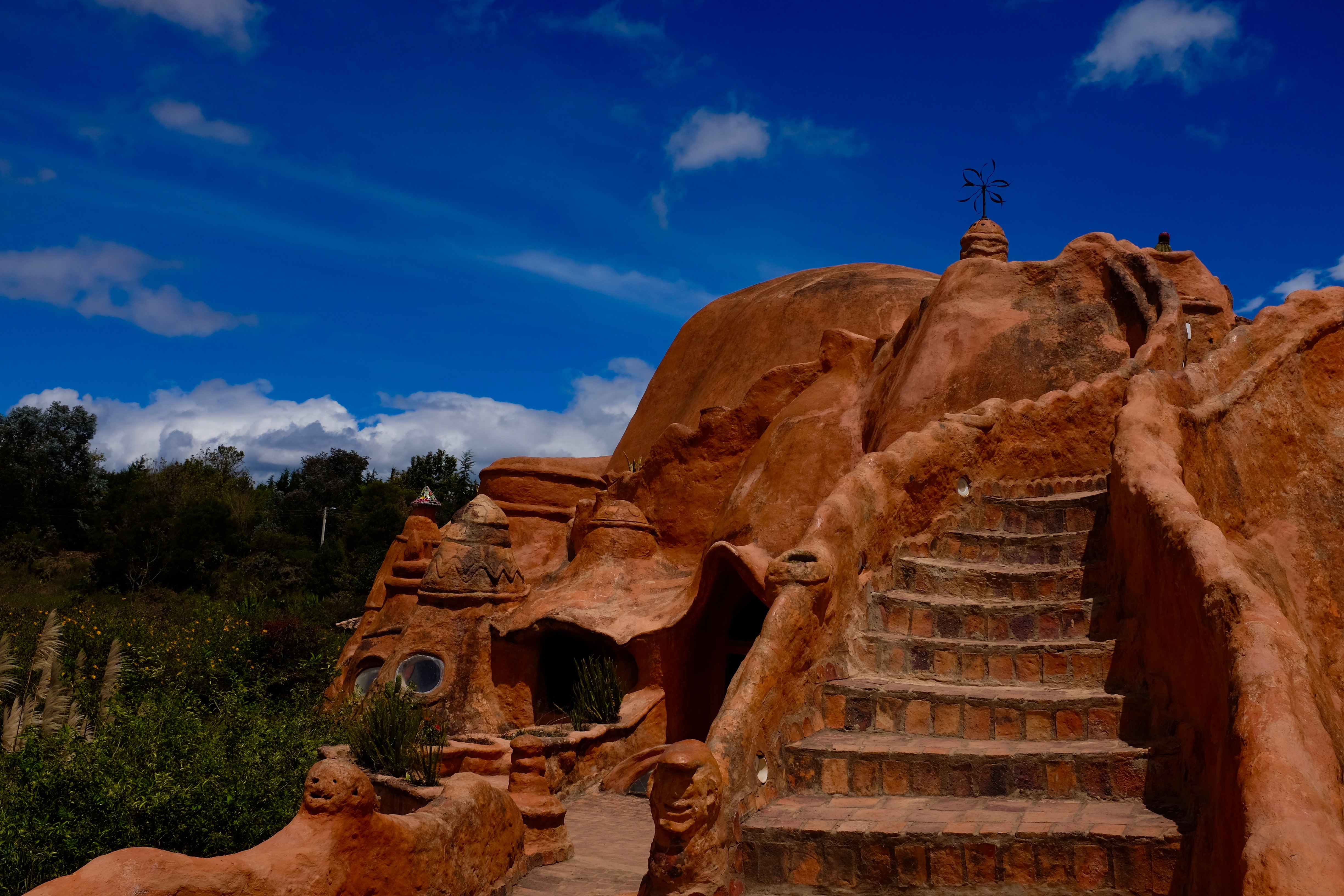
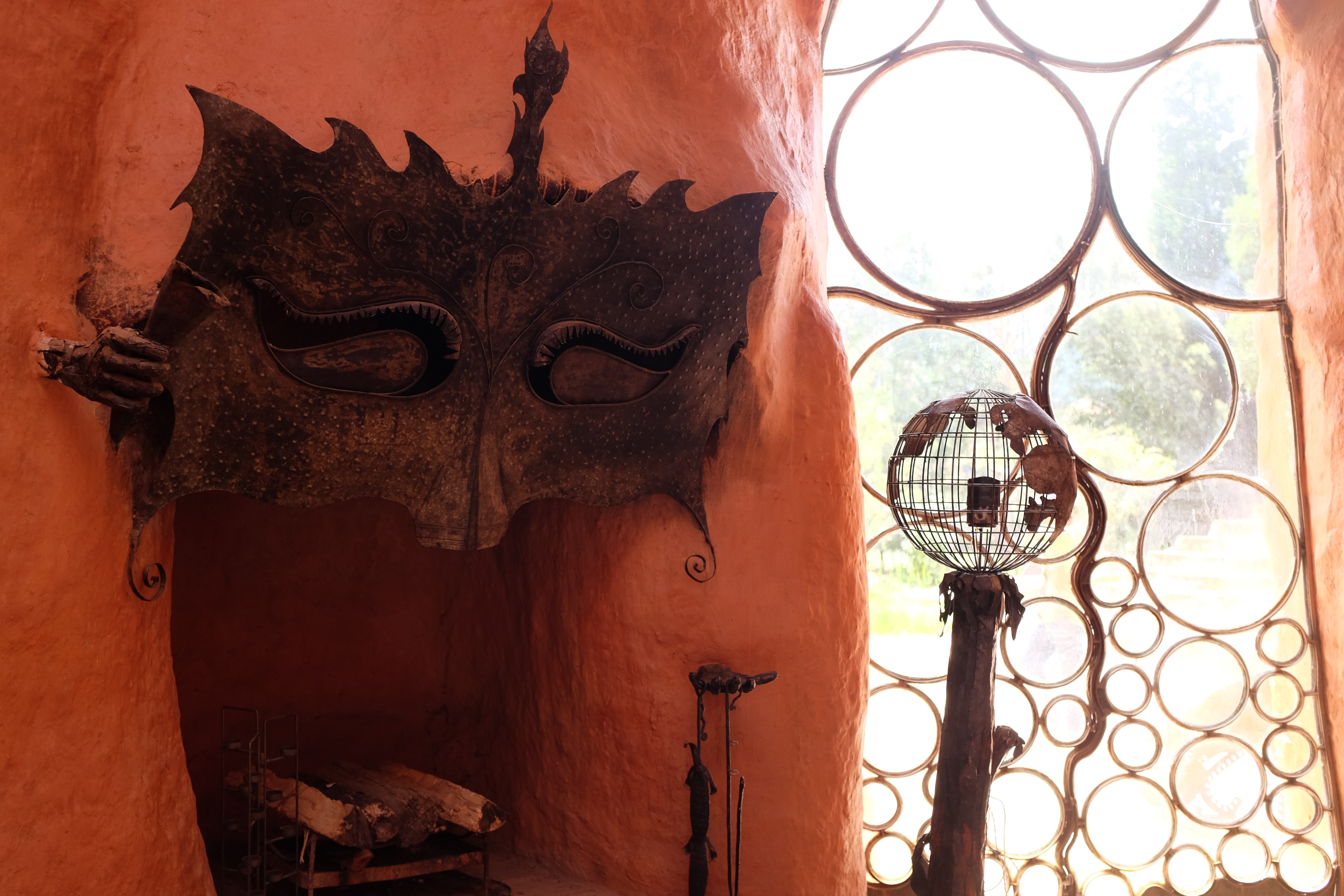
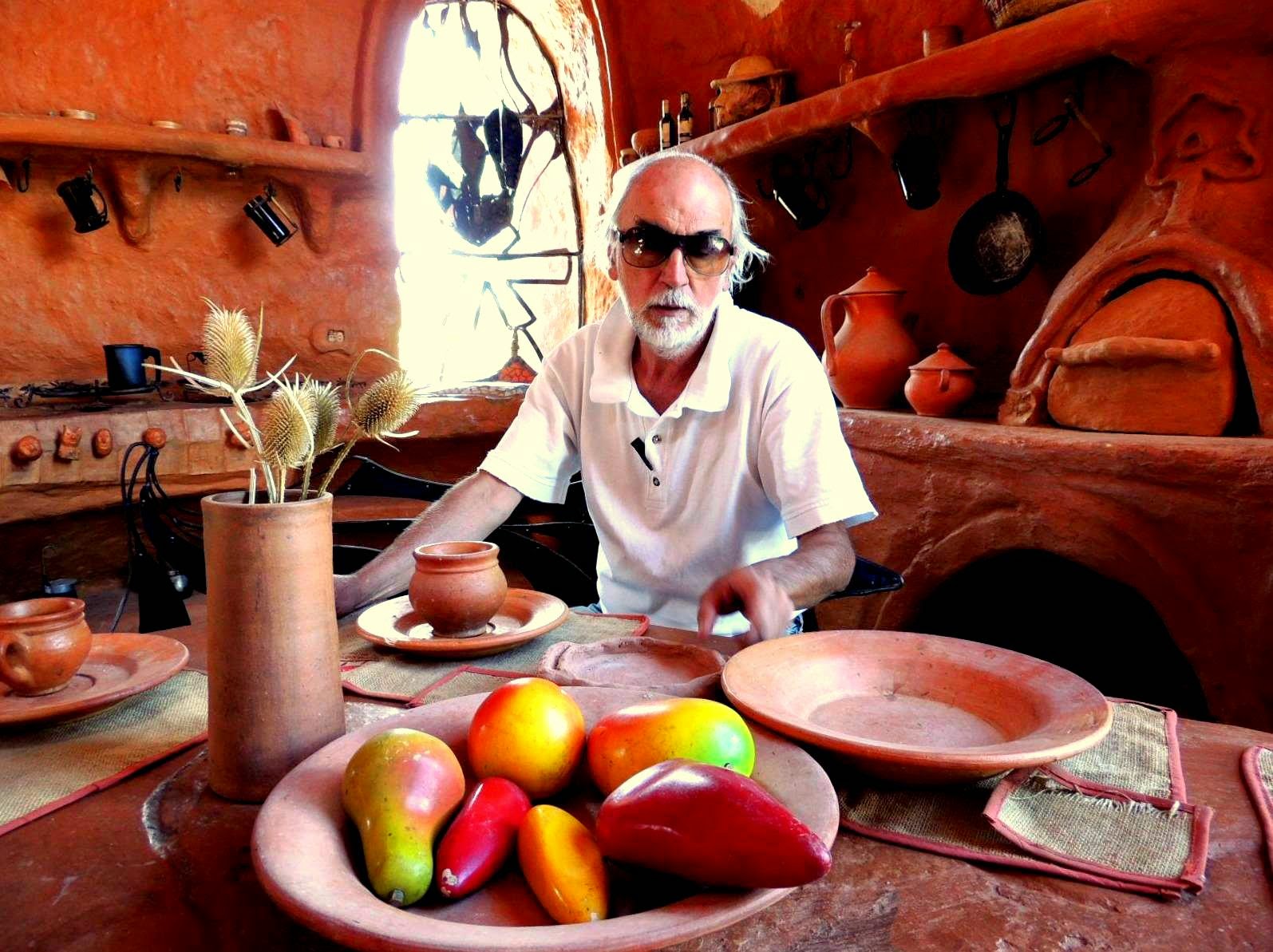
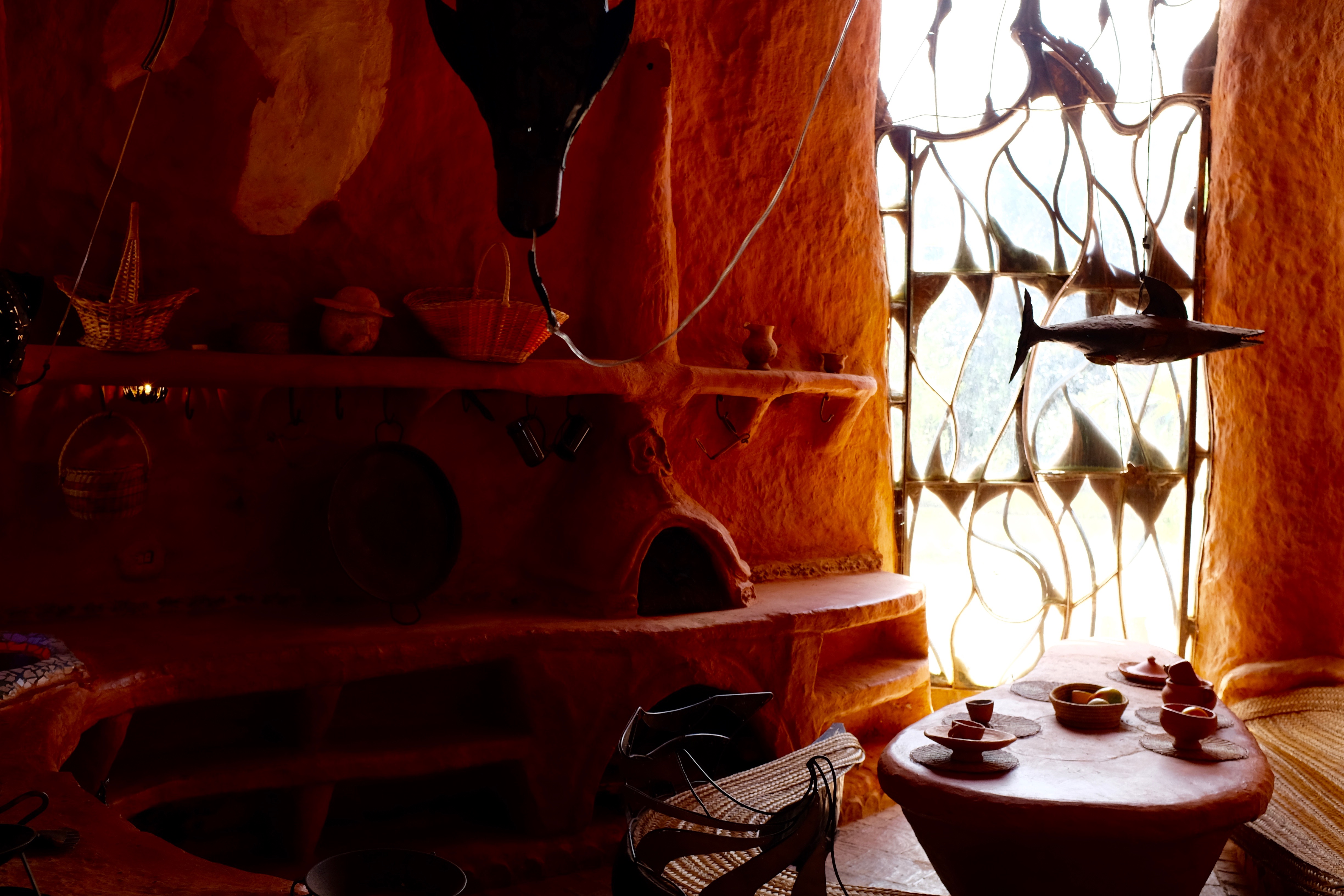
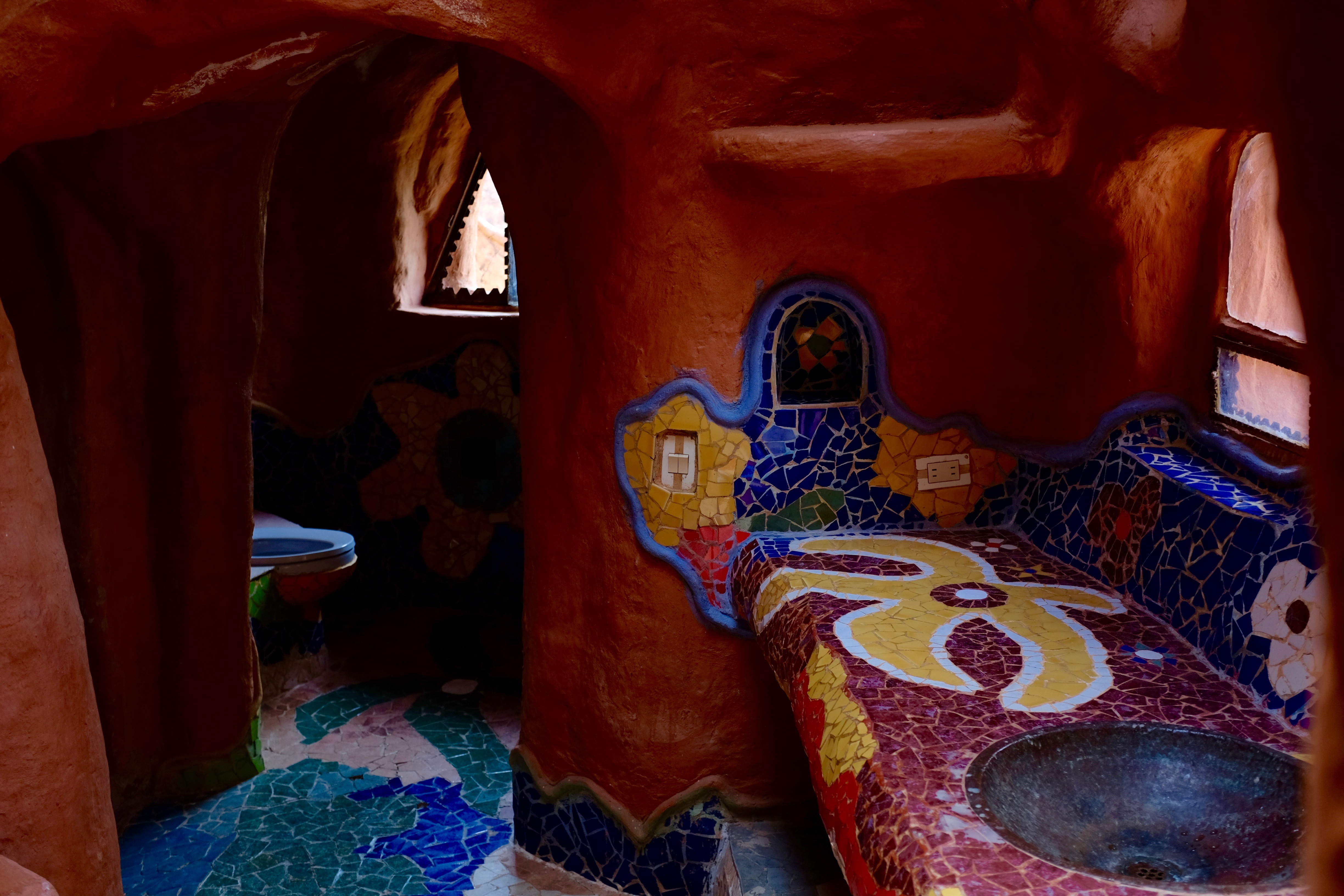
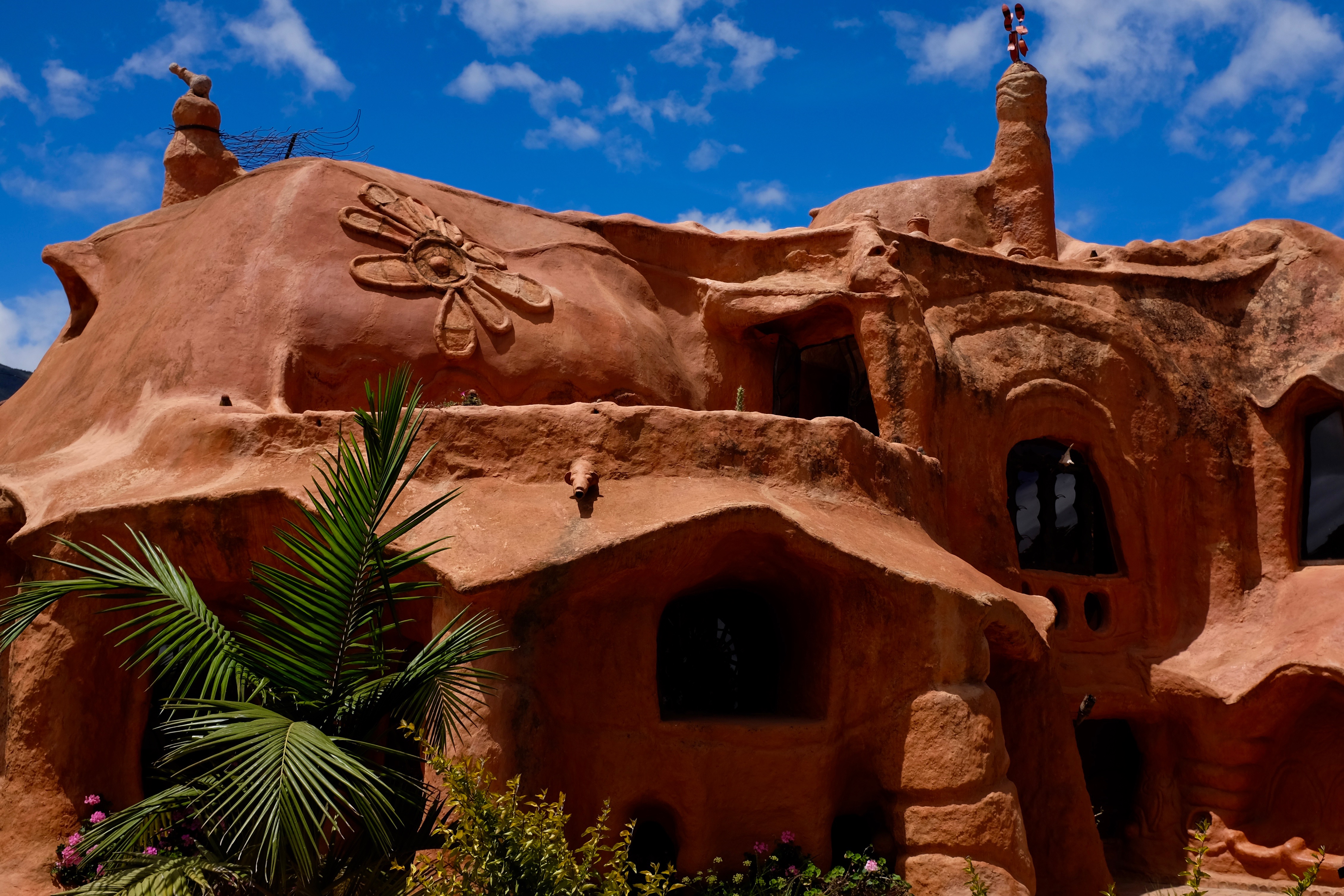
    18 years and 400 tonnes of mud later, stands Casa Terracota. The greatest single piece of ceramic on the planet. A surrealist palace of 5 floors, hidden away in the recesses of Boyacá. A fusion of artisanship and architecture, packaged up into a dream geared not towards the sky but rooted firmly in the soil beneath his feet…

    DSCF6997
    Casa Terracota, Villa de Leyva, Boyacá. Colombia

    The House that Octavio built is a return to our terrestrial nature. After all, we are all creatures of the mud. We work for the earth and the earth works for us. A reciprocal relationship that many have relegated to the shadows…

    “As time moves forwards, we have forgotten what it means to be grounded. Literally. Building, constructing… living, has become less and less human. Architecture has lost its soul”. He continues.

    DSCF6972

    “It has become a product, monopolised by the University yuppie. A craft in which we are no longer willing to get our hands dirty… where we don’t even use our hands at all.” He runs his leathery palm along the soft clay in the kitchen.

    columbian-architect-octavio-mendoza's-casa-terracota-in-villa-de-leyva-is-made-entirely-from-baked-clay-theflyingtortoise

    “The same is true with mud-building practices here in Colombia. In the campo, more often than not, the mud has become cold. It has lost its character, its pulse… its beating heart”.

    By this, Octavio refers to the commercialisation of adobe… the churning out of mud-brick upon mud-brick upon mud-brick. Each brick, evenly shaped, evenly weighted, evenly dense… geometric perfection.

    maxresdefault

    “…But what if you could live inside just one brick? What if everything you needed could be forged within the veins of the brick itself? What if we experimented with the malleability of the earth instead of reducing it to the four corners of a casting block? What if we reclaimed natural forms – the ripples, the curves, the asymmetry – instead of rejecting them?”

    DSCF6979
    ‘What if we reclaimed natural forms – the ripples, the curves, the asymmetry – instead of rejecting them?’

    In this pursuit, Octavio dedicates himself to working exclusively with the four elements – EARTH and WATER to create form, FIRE and AIR to cook, harden and sustain it. “This is the only building that needs to be burned!” he laughs, “In my case, fire constructs… fire builds.”

    DSCF7006

    With his humble yet magnificent creation, Octavio offers a new model. A low-resource, low-cost permacultural vision. The thermic properties of mud retain the heat of the day, to conquer cold of the night. As the rain falls, the building smoothens. As the sun beats down on the walls, the building hardens. With time, the Casa de Terracotta improves and strengthens. In this sense, it in perfect dialogue with Nature.

    DSCF7010


  • A preliminary Spanish-language research project into the Colombian Peace deal, prior to my visit. Since travelling to the country, my understanding and conclusions have developed considerably:

  • When #VamosChape became #ForçaChape: Togetherness

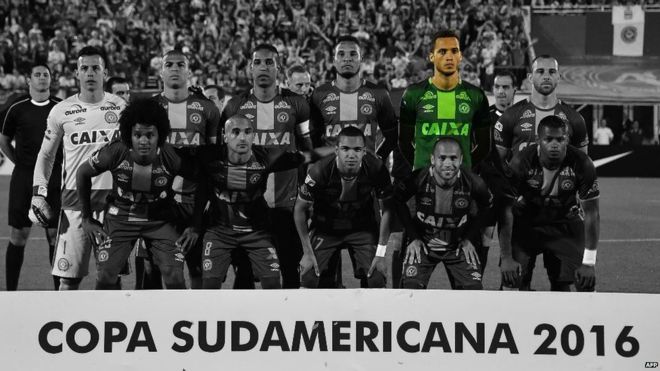
    The news of this morning’s plane crash has hit really, really hard. A fatal crash, taking the lives of seventy-one people and abruptly ending both the dreams and very existence of Chapecoense football team. Players, manager, coaching staff, technical team and club media. Brazil’s answer to Leicester City, risen from non-league obscurity and on route to their fairy-tale Sudamerica cup final, wiped out in a tragic moment just 30 miles from Medellín.

    (more…)

  • Unravelling An Icon: Highlights From BFI Southbank’s Almodóvar Season

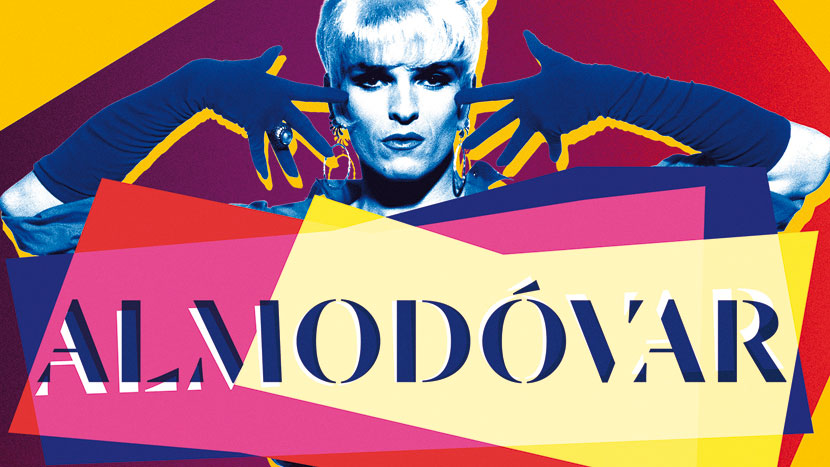
    As the curtain falls on the BFI Southbank Pedro Almodóvar season, BritEs reflects on some of the highlights. Through this two-month series, coinciding with the international release of Almodóvar’s Oscar-nominated Julieta (2016), BFI have brought us closer than ever to the contexts, concepts and realities of the icon behind the lens. With an expansive selection of screenings, guest appearances, lectures and discussions, the British Film Institute have delivered an immersive journey through the remarkable spheres of experience which give shape to the Almodrama we see on screen. This outstanding collaboration of voices, experiences and perspectives will go down as the ultimate tribute to an unforgettable career.

    (more…)

  • Moving Peru Forward: An Interview with the film-makers behind ‘When Two World’s Collide’ (2016)

    This year, Yachaywasi Films takes us right to the heart of one of Peru’s most dramatic and controversial conflicts in recent history. When Two Worlds Collide documents the brutal culture clash between President Alan García’s government and the indigenous Amazonian community led by activist Alberto Pizango, a conflict where modernity and morality come face-to-face with deadly consequences. This powerful documentary offers an unflinching insight into Peru’s political power-play, where both the environment and individual rights are often trumped by commercial interest and greed. Here, we catch up with directors Heidi Brandenburg and Mathew Orzel as well as producer Taira Akbar to talk about the journey behind their fascinating debut feature.

    (more…)

  • Hidden away behind the thick brutalist walls of the Barbican lies a miniature time loop. This overwhelming vortex of repeating imagery and sound is the brainchild of eccentric Icelandic perseverance artist Ragnar Kjartansson. An intriguing space where repetition runs riot…

    (more…)